

Table of Contents
Quick Answer
Learning how to use a makeup palette is easier than it looks: start with clean, moisturized skin, pick one shade at a time, and build color in thin layers instead of pressing on a lot of product at once. Use a fluffy brush for blending, a flat brush for packing color onto the lid, and always tap off the extra powder before the brush touches your face.
- A palette is one compact holding several coordinated shades, so you can build a full look from one case.
- Start with a light transition shade in the crease, then add the lid color, then deepen the outer corner.
- Blend after every step, and add more color slowly — you can always add more, but taking it away is much harder.
- Use matte shades for blending and depth, and save shimmer, satin, and metallic shades for the lid and inner corner.
- Clean your brushes often, keep the palette closed and dry, and replace it when the texture or smell changes.
How to Use a Makeup Palette
A makeup palette can feel intimidating the first time you open it. Ten or twelve shades stare back at you, and it is not obvious where any of them should go. The good news is that every palette follows the same logic: light shades lift, medium shades blend, and dark shades add depth.
The golden rule of how to use a makeup palette is to build color slowly. Pressing a loaded brush straight onto your skin is the fastest way to end up with a harsh patch that will not blend. Instead, pick up a small amount of product, tap the brush against the edge of the pan to knock off the extra powder, and press the color onto your skin in short, light strokes. You can always go back for a second layer. For a second opinion on the basics, this practical guide to using makeup palettes explains the same layering idea in plain language.
Start With a Clean Base
Every good palette look starts before the palette is even open. Wash your face, apply moisturizer, and let it sink in for a minute or two. For the eyes, a thin layer of eye primer stops powder from creasing, keeps the color true, and helps the shades last for hours. If you do not have a primer, a dab of concealer patted over the lid and set with a little translucent powder does a similar job.
For the face, let your foundation or tinted moisturizer set for a minute before you reach for the palette, or the powder shades can cling to damp spots and turn patchy.
Work in the Right Order
Order matters more than most beginners expect. For an eye look, the usual sequence is transition shade first, then lid color, then depth in the outer corner, then highlight on the brow bone and inner corner, blending between steps to keep the edges soft. For the face, the order is similar: bronzer first, then blush on the apples of the cheeks, then highlighter on the high points. Contour, if you use it, goes on before blush so the blush can soften its edges.
Less Product, More Control
Beginners almost always use too much product. A single dip of a brush picks up more color than you need for one whole eye, so tap the brush, test the color on the back of your hand, and then touch your face. The back-of-hand test shows you the true color and stops you from dropping a heavy patch of pigment straight onto your eyelid. The same rule applies to face shades — one light sweep of blush, blended well, looks fresh and natural, while three heavy sweeps look like a stripe.
How to Use an Eyeshadow Palette Step by Step
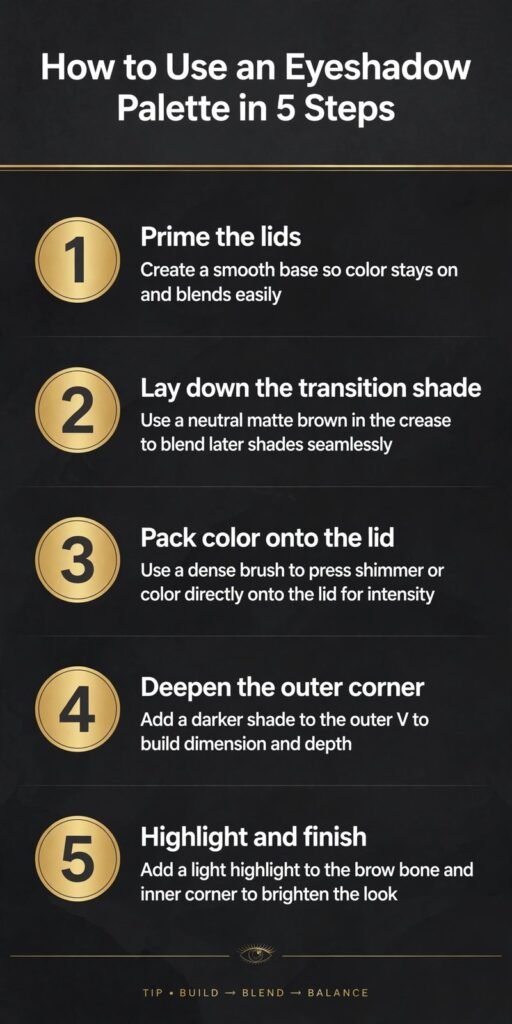
An eyeshadow palette is the most common type of palette, and the one that scares beginners the most. The five steps below work for almost every eye look, from a soft daytime wash of color to a smoky evening eye. If you are still wondering how to use a makeup palette on your eyes, the secret is the order of the steps — follow them in sequence and the look builds itself.
- Step 1: Prime the lids. Smooth a thin layer of eye primer over the whole lid, from lash line to brow bone, and let it set for about thirty seconds. Primer grips the powder, keeps the color bright, and stops creasing. If you skip this step, even the best palette will fade by the afternoon.
- Step 2: Lay down the transition shade. Pick a matte shade that is one or two tones deeper than your skin — a warm brown, a soft taupe, or a muted peach. With a fluffy blending brush, sweep it back and forth through the crease in a gentle windshield-wiper motion. This shade is not meant to be seen clearly; it is the soft shadow that makes everything else blend.
- Step 3: Pack color onto the lid. Choose your main lid shade — a shimmer, satin, or metallic finish works best here. Use a flat shader brush and press the color onto the center of the lid instead of sweeping it, because pressing keeps the pigment dense and bright. A damp brush picks up even more shine from shimmer and metallic shades. If you want ideas for choosing shades, this guide to Sephora eyeshadow palettes shows how curated shade ranges are put together.
- Step 4: Deepen the outer corner. Take the darkest matte shade in your palette and, with a small tapered brush, press it into the outer corner of the eye and sweep it slightly into the crease. This is the shade that adds shape and makes the eyes look bigger. Blend the edge where it meets the transition shade so there is no hard line.
- Step 5: Highlight and finish. Finish with the lightest shade in the palette: a soft shimmer or satin on the inner corner to open the eyes, and a light matte or satin just under the brow bone to lift the whole look. Then blend everything once more with a clean fluffy brush, using small circular motions at the edges.
How to Use a Face Palette
If you already know how to use a makeup palette on your eyes, the face is the easy part — the same rules apply, just with bigger brushes. A face palette holds the shades that shape and light up the rest of your face: blush, bronzer, highlighter, and sometimes contour. Use a big, soft brush, because small brushes leave stripes on the cheek, while a large fluffy brush spreads the color evenly. Blend upward and outward, never downward, so the color lifts the face instead of dragging it down.
| Palette Type | Where to Apply | Best Tool |
|---|---|---|
| Blush | Apples of the cheeks, blended up toward the temples | Large fluffy blush brush |
| Bronzer | Forehead edges, cheekbones, jawline, and nose — where the sun hits | Big soft powder brush |
| Highlighter | Tops of the cheekbones, brow bone, bridge of the nose, cupid’s bow | Small fan brush or clean fingertips |
| Contour | Under the cheekbones, sides of the nose, jawline, hairline | Angled contour brush or dense blending brush |
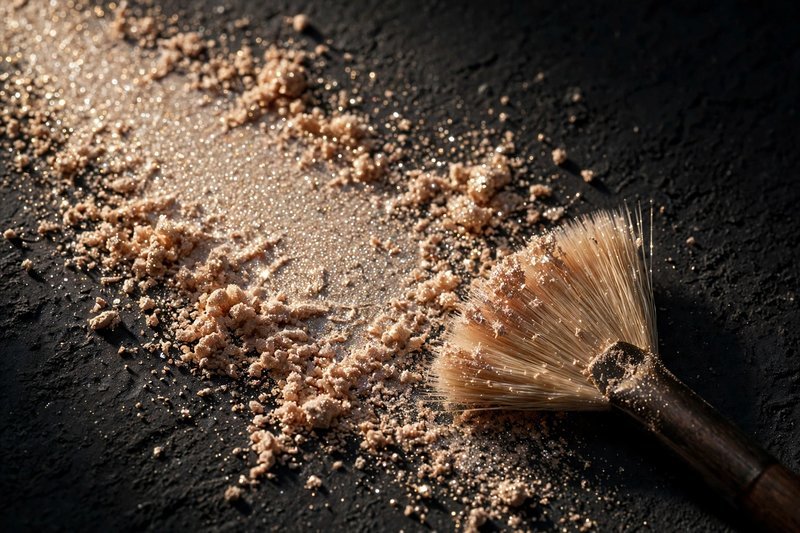
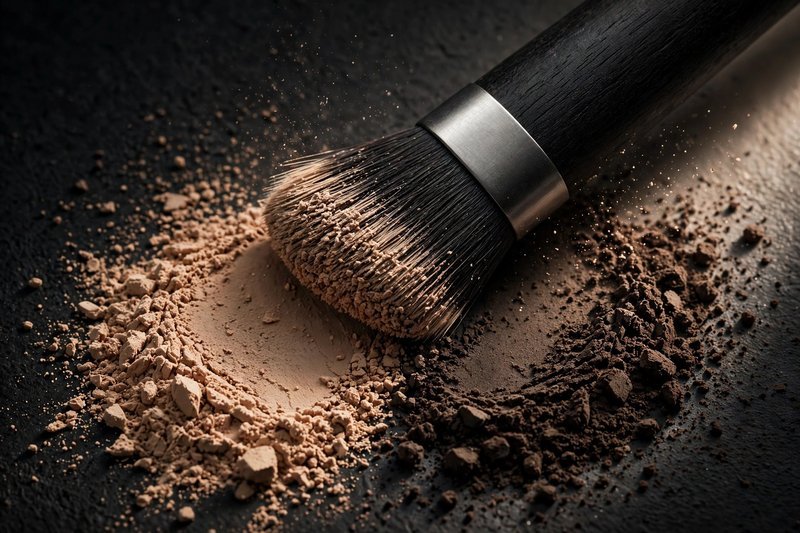
Blush, Bronzer, and Highlighter in One Palette
Many face palettes hold all three in one case, which makes them perfect for travel and quick everyday routines. Use a different brush — or at least a clean brush — for each shade, because mixing bronzer into your blush brush muddies both colors. Apply bronzer first, then blush on the apples of the cheeks, blending up toward the hairline. Finish with highlighter on the high points only — the tops of the cheekbones, the bridge of the nose, and the cupid’s bow — because highlighter on the whole cheek looks shiny, not glowy.
Contour Without Harsh Lines
Contour is the shade beginners fear most, because a badly blended contour line is easy to spot. The fix is simple: use less product than you think you need, and blend more than you think you need. Sweep the contour shade in a thin line under the cheekbone, then blend it upward with a dense brush until the edge disappears — it should read as a soft shadow, not a stripe. Cream contour blends best with a damp sponge, powder contour with a brush. Check your work in natural light, because bathroom lighting hides harsh edges that daylight will show.
How to Use a Makeup Palette for Beginners
When you are learning how to use a makeup palette, a neutral palette is your best friend. Warm browns, soft peaches, gentle taupes, and one or two shimmer shades are enough to create dozens of looks, and neutral shades are forgiving: a mistake with a soft brown blends away in seconds, while a mistake with a bright blue does not. Start small — a palette with four to nine shades is plenty to learn with.
Beginners should also learn one look really well before trying five different ones. Pick a simple routine — transition shade, lid color, outer-corner depth, highlight — and repeat it until your hands know the motions. Once that look feels automatic, change one thing at a time: a deeper outer corner, a shimmer lid, a little color on the lower lash line. If you want a beginner-friendly walkthrough with pictures, this step-by-step palette guide for beginners covers the same basics in a visual way.
Choosing Your First Palette
Your first palette should match your skin tone and your daily life. If you wear mostly warm clothes and gold jewelry, a warm-toned palette with browns, coppers, and peaches will suit you; if you lean toward cool tones and silver, look for taupes, mauves, and soft greys. It should have at least three matte shades, because mattes do the blending work, and at least one shimmer, because shimmer is what makes the lid look alive. Press a shade onto the back of your hand before you buy — shades often look darker or warmer on skin than they do in the pan.
Best Brushes and Tools for Palette Makeup
The right tools make learning how to use a makeup palette far easier, and you do not need a huge collection to start. Five brushes cover almost every palette job: a large fluffy blending brush, a flat shader brush, a small tapered crease brush, a large powder brush for the face, and a small fan brush or your fingertips for highlighter. A damp makeup sponge is useful too, especially for cream shades from a face palette.
Wash your brushes once a week with gentle soap and lukewarm water, reshape the bristles, and lay them flat to dry. Clean brushes blend better and keep your palette free of old product and skin oils.
Which Brush for Which Shade
Fluffy blending brushes are for matte transition and crease shades: their loose bristles spread color softly and erase hard edges. Flat shader brushes are for lid colors: their dense, flat shape presses pigment onto the lid in one even layer. Small tapered brushes are for the outer corner and lower lash line, where precision matters. Large powder brushes are for blush and bronzer, and fan brushes are for highlighter. Fingers are a legitimate tool too — cream and metallic shades often look best pressed on with a clean fingertip, because the warmth of the skin melts the product and packs it on densely.
Keeping Your Look in Place All Day
A palette look only earns its keep if it lasts. Primer under eyeshadow and a light setting spray after the whole face is done both help. For more detail on making eye looks survive the day, see this guide on how to make eyeshadow last all day.
Mistakes to Avoid When Learning How to Use a Makeup Palette
The most common error when people learn how to use a makeup palette is loading too much product on the brush. A fully loaded brush drops a dense patch of color that is hard to blend and even harder to remove, so tap off the extra, test on the back of your hand, and build in thin layers. The second most common error is skipping the blend: every shade needs soft, circular blending at its edges, or the look reads as separate blocks of color instead of one finished face.
Another mistake is using the same brush for every shade without cleaning it between colors. A brush full of dark brown will turn your light lid shade muddy before it ever touches your eye. Keep a clean tissue nearby and wipe the brush between shades, or keep one brush for light shades and one for dark shades.
Skipping Primer and Base
Primer feels optional, but it is the difference between a look that lasts eight hours and one that fades by noon. Without primer, powder sits on the skin’s natural oils and slides around; with primer, it grips and stays true to its pan color. The same goes for the face: blush over unset, damp foundation can cling in patches, so let the base set first.
Using Dirty or Damp Brushes
Dirty brushes are the quiet cause of many palette problems. Old product built up in the bristles changes the color of every new shade, and brushes still damp from washing can turn a powder pan hard and shiny. Wash brushes weekly, let them dry fully, and store the palette closed so dust and moisture stay out.
How to Clean Your Palette After Use
Knowing how to use a makeup palette also means knowing how to look after it. Wipe the mirror and the case with a dry tissue after use, and brush loose powder off the pans with a clean, dry brush. If a shade gets a hard, shiny film on top — which happens when a damp brush or an oily finger touches the powder — gently scrape the top layer off with a clean tissue, and the fresh powder underneath will work like new.
Cream palettes need a little more care. Always use clean fingers or clean tools, and close the lid tightly after every use so the creams do not dry out. If a cream shade starts to smell different or changes texture, replace it. As a general rule, powder palettes last about one to two years, while cream products should be replaced within a year, because creams hold moisture and can grow bacteria faster. Store your palette somewhere cool and dry, away from bathroom steam, because heat and humidity make powder shades crumble and change color.
Frequently Asked Questions
How do I use a makeup palette for the first time?
If you are learning how to use a makeup palette for the first time, start with one neutral shade and one brush. Sweep a soft matte brown through your crease with a fluffy brush, add a light shimmer to the center of your lid, and blend the edges until they disappear. That two-step look is a complete eye look, and once it feels easy, add a deeper shade to the outer corner.
Which brush do I use for palette eyeshadow?
Use a fluffy blending brush for matte crease and transition shades, a flat shader brush for pressing lid color onto the eye, and a small tapered brush for the outer corner and lower lash line. Clean the brush on a tissue between shades so the colors stay true.
Do I apply palette shades before or after foundation?
Apply your base first — foundation or tinted moisturizer — and let it set for a minute, because that is the correct order when you learn how to use a makeup palette. Eyeshadow goes on after eye primer and before or after foundation depending on your habit, but blush, bronzer, highlighter, and contour always go on top of a set base so they blend smoothly instead of clinging in patches.
How do I blend palette colors without muddiness?
Blending is the skill that makes how to use a makeup palette feel effortless. Use a clean fluffy brush, work in small circles at the edges of each shade, and build color in thin layers instead of pressing on a lot at once. Wipe the brush on a tissue between shades, and never drag a dark shade through a light one — blend each shade into the next from light to dark, and the colors will melt together instead of turning muddy.
Can I use palette eyeshadow as eyeliner?
Yes, you can. Take a small angled brush, dampen it very lightly with water or setting spray, and press a dark matte shade from your palette along the lash line. The result is a softer line than liquid eyeliner and much easier to fix if your hand wobbles.
Final Verdict
Once you understand how to use a makeup palette, a single palette can replace five separate products. The rules are simple: start with a clean base, build color in thin layers, blend after every step, and use the right brush for each job. A small neutral palette, five good brushes, and a little practice are enough to create looks that feel polished every day.
Do not buy the biggest palette you can find — buy the one whose shades you will actually use, and use it until you know every pan by heart. That is how a palette earns its place in your makeup bag: not by the number of shades inside it, but by how many looks it gives you. Start with the basics in this guide, practice one look until it feels easy, and the rest of the palette will open up from there.