
Table of Contents
Quick Answer
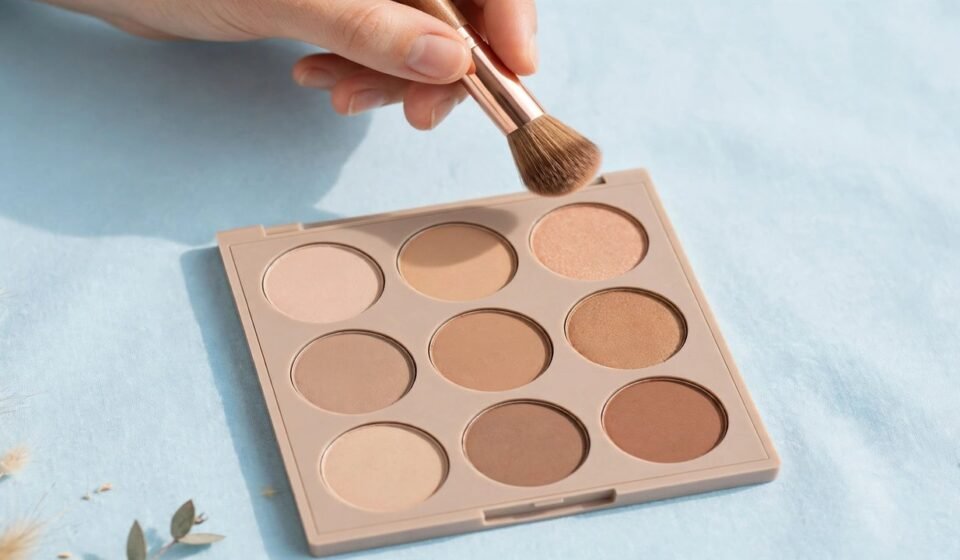
A makeup palette for beginners is a single compact that holds several coordinated makeup shades in one place, so you can create a full look without buying a dozen separate products. The best starter palettes keep things simple: a few neutral shades, at least one matte and one shimmer finish, and colours that work together so you cannot go far wrong. If you are buying your very first palette, choose one with warm neutrals and a small shade count, then learn one look really well before you expand your collection.
- A good makeup palette for beginners has 4 to 8 shades, which is enough choice without feeling lost.
- Start with warm neutrals: a light matte, a medium brown, a deeper crease shade, and one shimmer.
- Matte shades are the easiest to blend, and shimmer belongs on the lid, not in the crease.
- One all-in-one palette can cover eyes, cheeks, and glow for everyday looks.
- Clean your brushes weekly and store the palette flat, away from heat and sunlight.
What Is a Makeup Palette for Beginners?
A makeup palette for beginners is designed to take the guesswork out of your first makeup looks. Instead of choosing individual eyeshadows, blushes, and highlighters one by one, you get a curated set of shades that were picked to work together. The colours sit side by side in one slim case, which makes it easy to see your options and much harder to end up with shades that clash.
Most beginner palettes are built around eyeshadow, because eyes are where most people start. A typical starter palette includes a light base shade, one or two medium transition shades, a deeper shade for definition, and a shimmer or satin shade for a little glow. Some palettes go further and combine several product types in one case. Face palettes add blush, bronzer, and highlighter next to the eyeshadows. All-in-one palettes can include eyeshadow, blush, contour, and highlighter, so one compact covers almost a full face.
The real advantage for a beginner is practice. With a small palette, you use the same shades again and again, and you quickly learn which brush, which amount of product, and which blending motion gives you the result you want. A huge palette with forty shades looks exciting, but it usually means most shades never get touched, and that is a waste of money and space. The best makeup palette for beginners usually combines neutral colours with one or two slightly bolder options, so you can wear it every day and still try something new on the weekend.
Beginner palettes also tend to use forgiving formulas. The powders are smooth rather than chalky, they build up gradually instead of dumping a dark patch on the skin in one swipe, and they blend out with a soft brush without much effort. That matters more than any brand name. A palette that is easy to blend will make your first looks look neat, while a patchy formula will frustrate you even if you do everything right. If you want more background before you shop, this beginner’s guide to choosing and using your first palette explains the basics of palette types and how each one is meant to be used.
Best Starter Palette: 4 Shades That Do Everything
You do not need twelve shades to create a polished everyday look. Four well-chosen shades can take you from a bare face to a soft, defined eye in under five minutes, and they are the reason small palettes are so popular with beginners. The four shades below are the backbone of almost every neutral look, and once you can use them confidently, every other palette becomes easier.
Your four core shades are a light matte close to your skin tone, a medium warm brown, a deeper brown for the crease and outer corner, and a soft shimmer for the centre of the lid. The light matte evens out the lid and sets the base. The medium brown creates depth in the crease. The deeper brown adds definition where you want it. The shimmer catches the light and makes the eyes look awake. Together, they give you a complete look with nothing missing.
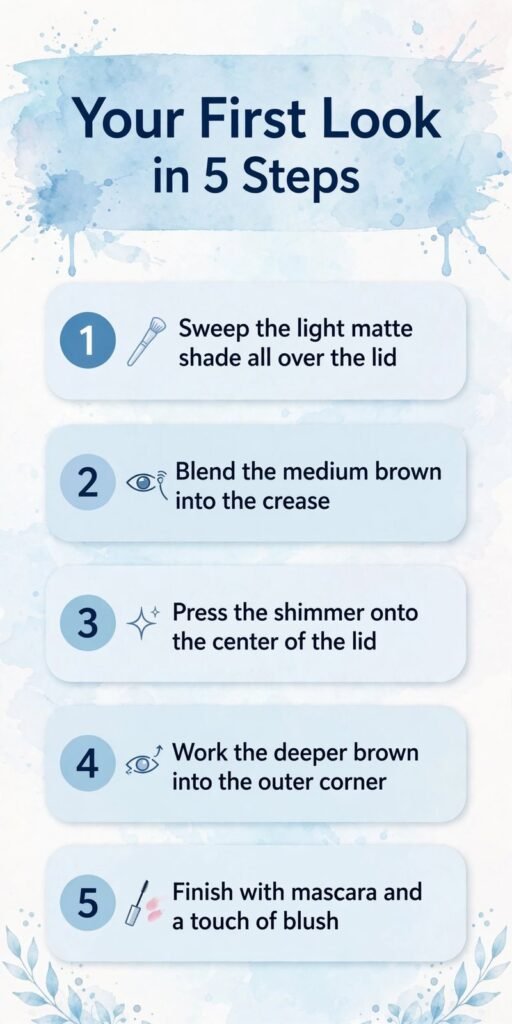
Here is a simple five-step routine for your first look with a four-shade starter palette:
- Sweep the light matte shade all over the lid and up to the brow bone with a fluffy brush. This evens out the skin tone and gives the other shades something smooth to blend into.
- Blend the medium warm brown into the crease using slow windshield-wiper motions. Keep the brush moving, use a light hand, and add a second thin layer instead of pressing hard once.
- Press the shimmer shade onto the centre of the lid with a flat brush or a clean fingertip. Patting, rather than sweeping, keeps the shine where you want it and stops fallout on your cheeks.
- Use a small brush to work the deeper brown into the outer corner and along the outer third of the crease. Blend the edges so there is no hard line, then check both eyes match.
- Finish with mascara and a touch of blush. If your palette includes a blush or highlighter, use the same soft brush technique and build the colour slowly.
Once this routine feels natural, you can change one thing at a time. Swap the shimmer for a satin shade, deepen the outer corner a little more, or add a soft brown along the lower lash line. Changing one step at a time is how you learn what suits you, and it keeps your looks wearable while you experiment. If you are curious how different starter palettes compare, this roundup of the best eyeshadow palettes for beginners shows what reviewers look for in a first palette.
Makeup Palette for Beginners: How to Pick Your First One
When you shop for a makeup palette for beginners, start with your skin tone and your daily routine, not with the prettiest packaging. Warm neutrals flatter most people and are the easiest shades to wear every day. If your skin has warm undertones, look for soft browns, warm taupes, and peachy shimmers. If your skin is cool-toned, soft mauves, cool taupes, and rosy neutrals usually look more natural. You do not need to know your exact undertone to choose well; hold the palette near your face in daylight and notice which shades look like they belong there.
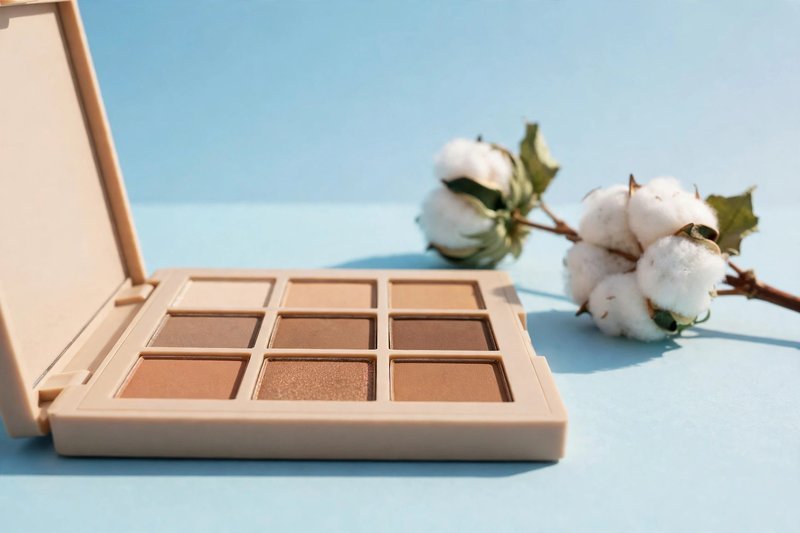
Size matters more than most people expect. A palette with four to nine shades is the sweet spot for a first purchase. It is small enough to carry, cheap enough that a mistake does not hurt, and focused enough that you will actually use every shade. Very large palettes are tempting, but beginners often use only the same five or six shades and ignore the rest. A compact palette also fits in a handbag, which means you are more likely to take it with you and practise
Check the finish mix before you buy. A good starter palette has more mattes than shimmers, because matte shades do the structural work of a look: base, transition, crease, and definition. One or two shimmers add glow, but a palette that is mostly glitter is hard to wear daily and difficult to blend. A built-in mirror is a useful bonus, especially if you do your makeup away from home, and a sturdy case matters if the palette will travel in a bag.
| Palette type | Typical shades | Best for |
|---|---|---|
| Eyeshadow palette | Matte, shimmer, and satin eye colours | Learning eye looks and everyday definition |
| Face palette | Blush, bronzer, and highlighter | Adding warmth, colour, and glow to the cheeks |
| Blush palette | Several blush shades and finishes | Finding your best blush colour for day and night |
| Contour and highlight palette | Contour, bronzer, and highlighter shades | Shaping the face and adding light to cheekbones |
| Lip palette | Multiple lip colours in one case | Mixing custom lip shades and trying new colours |
| All-in-one palette | Eyes, cheeks, contour, and glow in one compact | Travel and a full face from a single palette |
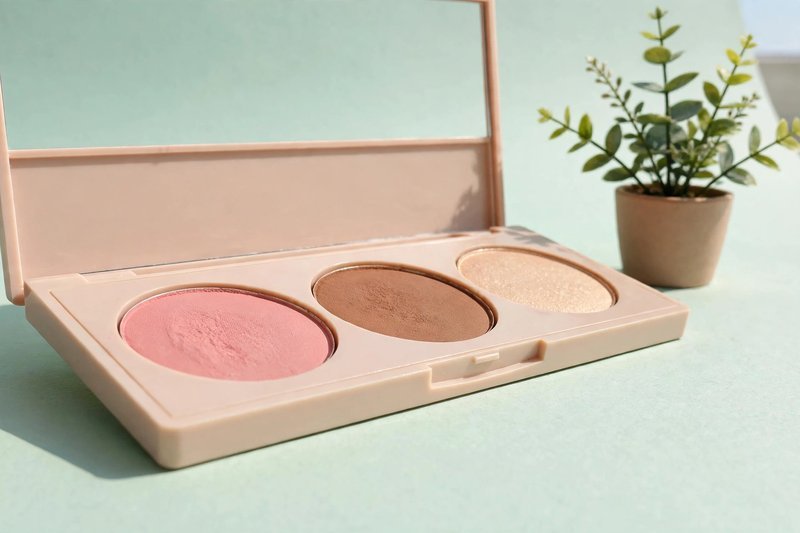
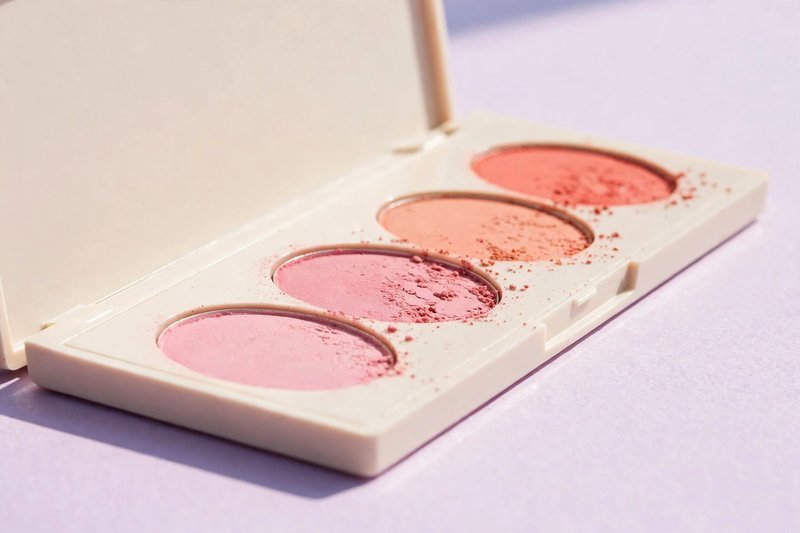
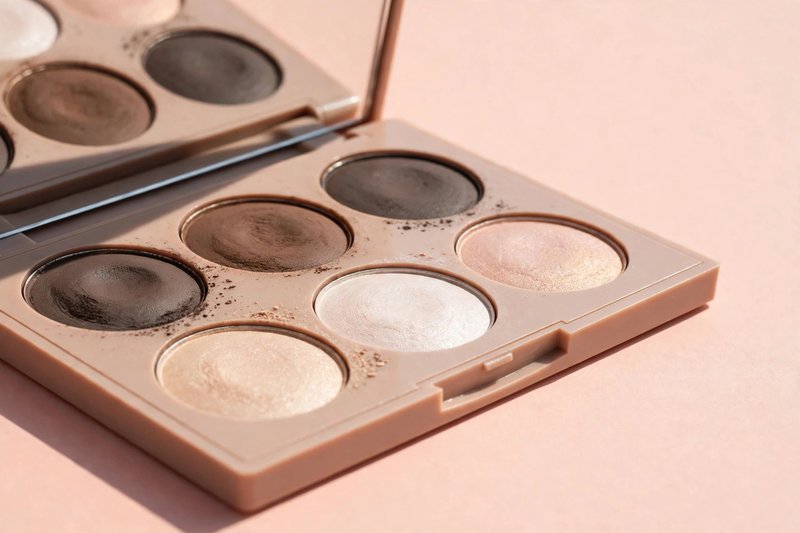
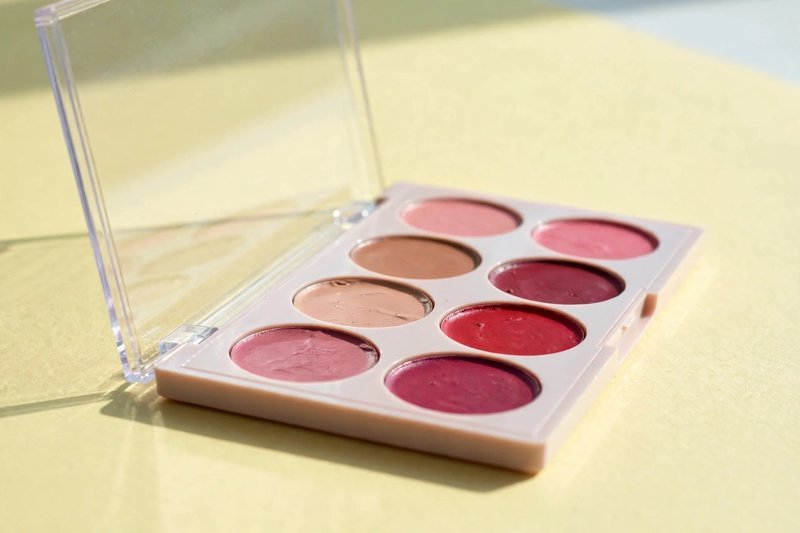
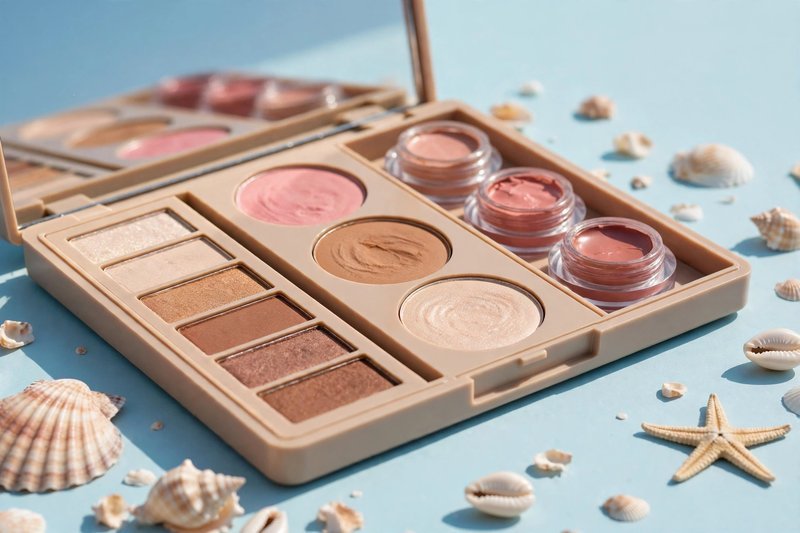
Finally, think about how the palette fits the rest of your routine. If you already own a favourite blush, an eyeshadow-only palette makes more sense than an all-in-one. If you own nothing at all, an all-in-one palette gives you the most looks for one purchase. Read a few honest reviews, swatch the shades on your hand if you can, and remember that the best first palette is the one you will reach for every morning, not the one with the most shades. For more inspiration on eye looks, Sephora’s eyeshadow palettes show how a well-chosen set of colours can cover everything from a soft daytime eye to a deeper evening look.
Best Finishes for Beginners: Matte vs Shimmer vs Satin
Every eyeshadow has a finish, and the finish changes how the shade behaves on your skin. The three finishes beginners meet most often are matte, shimmer, and satin, with metallic as a bolder fourth option. Understanding the difference helps you pick shades that are easy to use and place them where they look best.
Matte shades have no shine at all. They look flat and powdery in the pan, and on the skin they give pure colour with no sparkle. Matte is the easiest finish for a beginner because it blends smoothly, hides uneven texture, and works everywhere: base, crease, outer corner, and even as a soft liner. If you could only own one finish, matte would be the one. It is also the most forgiving if you apply a little too much, because a matte shade can be blended out with a clean brush.
Shimmer shades contain fine reflective particles that catch the light. They look bright and lively in the pan, and on the lid they create glow and dimension. Shimmer is best used on the centre of the eyelid, the inner corner, and sometimes the brow bone. It is not ideal for the crease, because shine in the crease can make the eye look puffy rather than defined. Shimmer can also leave fallout, which is the loose sparkle that drops onto your cheeks during application, so apply it with a patting motion and do your eye makeup before your foundation if fallout bothers you.
Satin sits between matte and shimmer. It has a soft sheen without obvious sparkle, and it looks like healthy skin rather than glitter. Satin shades are lovely on the lid and as a transition colour, and they are a good middle ground if you find full shimmer too bold for daytime. Metallic is the most intense finish, with a strong reflective shine that looks almost wet on the skin. Metallics are beautiful for evening looks and special occasions, but they show every bit of texture, so they are better as an accent than as your main shade while you are still learning.
A practical rule for a makeup palette for beginners is to build the shape of the look with mattes, then add light with one shimmer or satin shade on the lid. That single contrast is what makes an eye look finished. If a palette is mostly matte with one or two shimmers, it is usually a good beginner choice. If a palette is mostly glitter, save it for later, when you already know how to control fallout and placement.
How to Use a Makeup Palette for Beginners Without Wasting Shades
The first rule of a makeup palette for beginners is to use the shades you already own before buying more. Most beginners fall in love with two or three shades and never touch the rest, which means half the palette goes to waste. The fix is simple: make a small habit of rotating. Each week, pick one shade you have ignored and find a job for it. A medium brown can double as a soft brow filler. A deep shade works as eyeliner when applied with a damp angled brush. A light shimmer makes a pretty inner-corner highlight and a subtle brow-bone glow.
Multi-use is the easiest way to get value from every pan. Many eyeshadow shades work on more than the eyes: a warm matte brown can warm up the cheeks as a soft bronzer, a peachy shade can act as blush, and a pale shimmer can highlight the cheekbones and the cupid’s bow. A lip palette shade can even be dabbed on the cheeks as a cream blush in a pinch. Using shades in more than one place also helps your whole look feel coordinated, because the colours repeat across your face
Good technique saves product too. Tap the excess powder off your brush before it touches your face, and build colour in thin layers instead of loading the brush once and pressing hard. A light hand uses less product, blends better, and gives you control over the final intensity. Always start with less than you think you need; you can add more, but taking colour away is much harder. Keep a clean fluffy brush nearby just for blending the edges, and use it after every step.
Storage matters as well. Keep your palette flat, closed, and away from heat and sunlight, and never store it in a steamy bathroom. Heat and humidity can change the texture of the powders and make them hard or patchy. Clean your brushes at least once a week with a gentle brush cleanser or mild soap, because dirty brushes drag old colour into new shades and muddy the palette. If you wear eyeshadow daily, these small habits also help you make your eyeshadow last all day without creasing or fading by the afternoon.
Common Beginner Mistakes With a Makeup Palette
The most common beginner mistake with a makeup palette for beginners is buying the biggest palette first. A forty-shade palette looks like great value, but it is overwhelming when you are still learning, and most of the shades will expire before you ever use them. Start small, learn your core looks, and buy a bigger palette only when you know exactly which shades you are missing.
Another mistake is choosing bright colours before neutrals. Neon pinks, vivid blues, and bold greens are fun, but they are hard to blend and even harder to wear every day. Neutrals teach you blending, placement, and balance. Once you can create a clean neutral look, bright colours become much easier, because you already understand the structure underneath them.
Pressing too hard is a habit almost every beginner has. Heavy pressure picks up too much product, creates harsh lines, and wears out the brush. A light touch, a fluffy brush, and slow circular or windshield-wiper motions will blend a look far better than force. If a shade looks patchy, the answer is usually more blending with a clean brush, not more product.
Skipping primer is another quiet mistake. An eyeshadow primer, or even a thin layer of concealer set with powder, gives the shadow something to grip. Without it, shades can crease, fade, or look uneven by midday, especially on oily lids. Primer is a small extra step that makes every shade in the palette perform better.
Finally, do not forget hygiene. Sharing palettes, using dirty brushes, or applying shadow with unwashed fingers can transfer bacteria and cause breakouts or eye irritation. Wash your hands before you start, clean your brushes weekly, and replace a palette if it starts to smell strange or the powders change texture. A palette should last a long time with normal use, but it is not meant to last forever.
Frequently Asked Questions
What should my first makeup palette include?
Your first makeup palette for beginners should include a light matte base shade, a medium warm brown for the crease, a deeper brown for definition, and one shimmer for the lid. That combination covers a complete everyday look. A small mirror and a mix of matte and shimmer finishes are useful extras, but the four core shades matter most.
How many shades do I need as a beginner?
Most beginners do fine with a makeup palette for beginners that has four to nine shades. Four shades are enough for a polished everyday look, while eight or nine give you room to try a deeper evening eye or a different finish. More than twelve shades is usually too many for a first palette, because most of them will go unused.
Are expensive palettes better for beginners?
Not always. An expensive palette can have beautiful packaging and smooth formulas, but a beginner benefits most from shades that blend easily and colours that suit everyday wear, and those qualities exist at every price level. It is better to spend a modest amount on a small neutral palette you will use daily than to spend a lot on a large palette that overwhelms you. Choose by shade selection and blendability, not by price tag.
Which palette finish is easiest for beginners?
Matte is the easiest finish for beginners. Matte shades blend smoothly, hide uneven texture, and work in every part of an eye look, from the base to the crease to the outer corner. Shimmer and satin are lovely as accents on the lid, but matte does the structural work, so a starter palette should have more mattes than shimmers.
How do I stop wasting shades I never use?
Rotate one ignored shade into your routine each week and give it a new job. A medium brown can fill in brows, a deep shade works as eyeliner with a damp angled brush, and a pale shimmer can highlight the cheekbones. A makeup palette for beginners with fewer shades also helps, because every pan earns its place. Using shades in more than one spot means nothing sits untouched for months.
Final Verdict
A makeup palette for beginners is the smartest first purchase in makeup, because one small compact teaches you blending, placement, and colour in a way that single products never will. Choose warm neutrals, keep the shade count small, favour mattes with one or two shimmers, and practise one look until it feels easy. Once your four-shade routine is second nature, every palette you buy next will be easier to use and far less likely to gather dust. Start simple, use every shade, and let your collection grow with your skill.