

Table of Contents
Quick Answer
Learning how to choose a makeup palette is simpler than it looks: match the shades to your skin tone and undertone, pick finishes you will actually wear, and choose a palette where you will use most of the colors, not just one or two. A good palette should give you a full look on its own, from a soft daytime eye to a deeper evening eye, without forcing you to buy extra singles to fill the gaps.
- Find your undertone first: warm, cool, or neutral, because it decides which shades flatter you most.
- Pick a palette with a mix of light, medium, and dark shades so you can build a complete look.
- Choose matte shades for everyday blending and add one or two shimmer shades for glow.
- Swatch before you buy when you can, and check the shades in natural light.
- Skip palettes where you love only a third of the shades, because the rest will sit unused.
How to Choose a Makeup Palette
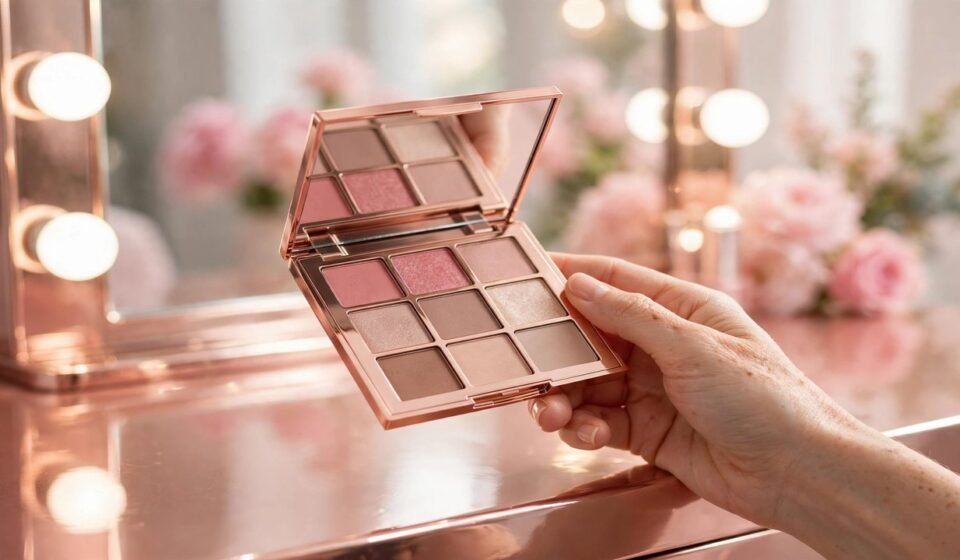
A makeup palette is a single compact case that holds several coordinated colors, usually eyeshadows, but also face powders, blushes, highlighters, lip colors, or contour shades. Palettes exist because they are cheaper and easier than buying every shade separately, and because the colors inside are chosen to work together. The most common types are eyeshadow palettes, face palettes, blush palettes, contour palettes, highlighter palettes, lip palettes, and all-in-one palettes that mix several of these in one case.
Before you spend money on a new palette, it helps to know how to choose a makeup palette by first checking what you already own and what you actually wear. Open your makeup bag and look at the shades you reach for most days. If you wear warm browns, soft golds, and peachy blushes every day, a palette full of cool purples and icy blues will not get much use, no matter how pretty it looks in the store. The right palette should feel like an extension of the makeup you already love, with a few new shades that stretch you just a little.
Size matters too. A small palette with six to nine shades is a great starting point, especially if you are new to palettes or you travel often. Larger palettes with fifteen or more shades give you more variety, but they also make it easier to end up with colors you never touch. Think about where you will use it: a compact palette fits in a handbag, while a big palette belongs on a vanity at home. If you are still learning how to choose a makeup palette, a smaller case is the safer first buy, because you can learn what you like before investing in a bigger one.
When you are learning how to choose a makeup palette, start with your everyday routine. Ask yourself what kind of looks you want to create. If you want a quick five-minute face for work or school, a neutral palette with soft browns, a blush, and a highlighter will serve you better than a rainbow palette full of bright colors. If you love experimenting with bold color on weekends, then a vivid palette makes sense as a second purchase, not your first.
It is also worth checking how the shades are arranged. A well-designed palette moves from light to dark, or groups shades into little families that work together. This makes it easier to build a look without guessing. Some palettes even label the shades by step, such as base, crease, and lid, which is a helpful guide when you are still learning. These labels are a small detail, but they make learning how to choose a makeup palette easier, because they show you which shades work together.
How to Choose a Makeup Palette for Your Skin Tone
Your skin tone is the first thing to consider, because it decides which colors look natural on you and which ones look washed out or too harsh. Skin tone is the surface color of your skin, from fair to deep, while undertone is the subtle hue underneath it. Undertones fall into three groups: warm, cool, and neutral. Warm undertones lean yellow, golden, or peachy. Cool undertones lean pink, rosy, or blue. Neutral undertones sit somewhere in between, with no strong lean either way.
A simple way to check your undertone is to look at the veins on the inside of your wrist in natural light. If they look green, your undertone is probably warm. If they look blue or purple, your undertone is probably cool. If you cannot tell whether they are green or blue, your undertone is likely neutral. Another quick check is jewelry: if gold looks better on you, you are probably warm, and if silver looks better, you are probably cool. If both look good, you are probably neutral.
For warm undertones, shades with golden, peachy, and warm brown bases usually look the most flattering. Think warm copper, bronze, terracotta, peach, and golden shimmer. These shades blend into warm skin and add a healthy glow. For cool undertones, shades with pink, mauve, plum, and taupe bases tend to work best. Soft rose, dusty pink, cool brown, and plum can look especially beautiful on cool skin.
If your undertone is neutral, you have the most flexibility, because both warm and cool shades can work for you. Neutral undertones can wear soft browns, rose, peach, and taupe without any one family clashing. That said, even neutral skin can look tired with shades that are too ashy or too orange, so it still helps to swatch and check in daylight.
Depth matters as much as undertone. On fair skin, very dark or very bright shades can look heavy if they are not blended well, so soft and medium tones are often easier to wear every day. On medium skin, rich browns, warm golds, and deep roses tend to show up beautifully. On deep skin, vivid and highly pigmented shades are your friends, because soft pastel shades can disappear or look chalky. Rich jewel tones, deep bronzes, and bright shimmers often look stunning on deep skin, while a good matte brown is essential for blending.
When you shop, try to swatch a few shades on the back of your hand or your inner arm, and step near a window or outside to see them in natural light. Store lighting can be warm or yellow, and it can make shades look different from how they will look on your face in daylight. If you are buying online, look for swatches on skin tones close to yours, because a shade that looks soft on one person can look very different on another.
How to Choose a Makeup Palette for Your Eye Color
Eye color is a helpful second filter when you are picking a palette. Certain shade families make each eye color stand out, because colors opposite each other on the color wheel create contrast. This is a guide, not a rule, and you can wear any color you love. The table below is a starting point for finding shades that tend to flatter each eye color.
| Eye color | Best shades | Shades to avoid |
|---|---|---|
| Brown eyes | Almost any shade works, especially bronze, gold, copper, green, plum, and deep blue | Very pale shades that can look chalky, or shades that match your eye color too closely and wash you out |
| Blue eyes | Warm browns, copper, peach, bronze, and warm gold | Icy blue or grey shades that can compete with your eye color instead of making it pop |
| Green eyes | Plum, burgundy, mauve, warm brown, and copper | Bright green shades that can clash with your eyes, or shades that are too close to your eye color |
| Hazel eyes | Warm gold, olive, bronze, plum, and deep green | Very cool grey shades that can dull the gold and green tones in hazel eyes |
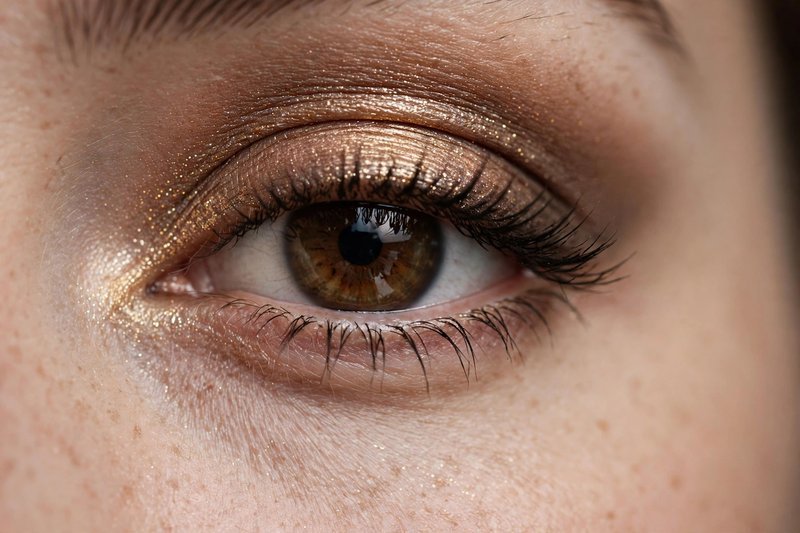
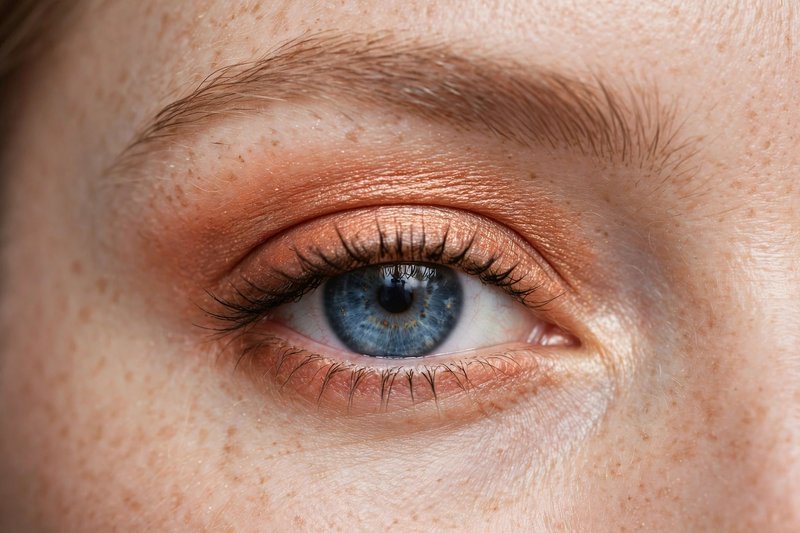
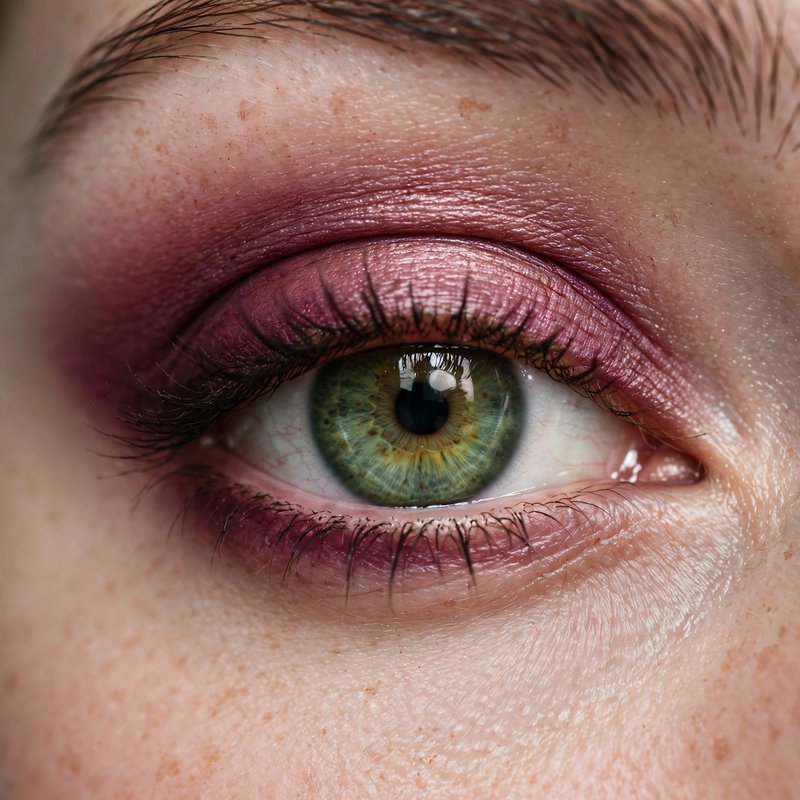
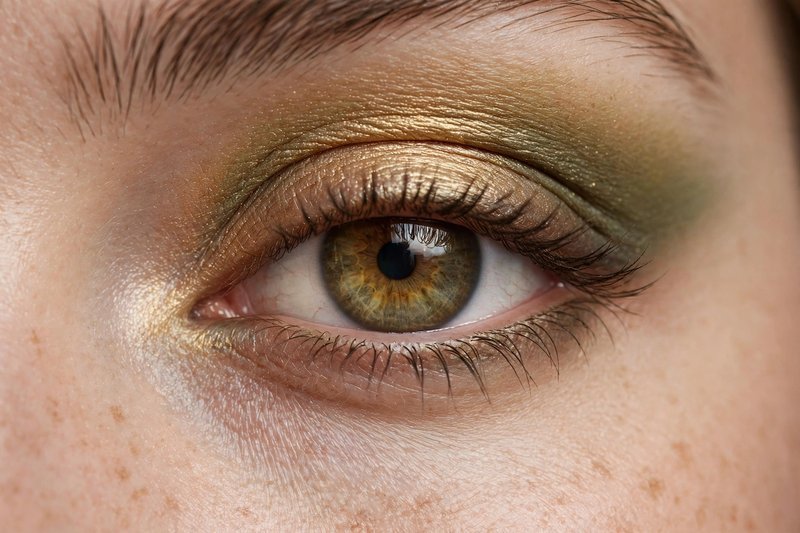
Brown eyes are the most flexible, because most shade families work with them. Warm metallics like bronze and copper add glow, while plum and deep green add depth. Blue eyes pop most against warm shades, because warm copper and peach sit opposite blue on the color wheel. Green eyes look striking with plum and burgundy, because purple tones bring out the green. Hazel eyes shift between brown, green, and gold, so warm golds, olive, and plum all work well, and you can lean into whichever tone you want to highlight that day.
Remember that these are starting points, not rules that fit everyone. Lighting, skin tone, and personal style all change how a shade looks. If you love a shade that the table says to avoid, try it anyway. The best palette is the one you reach for, not the one a chart tells you to buy. Use the table to narrow your choices, then let your own taste make the final call, because knowing how to choose a makeup palette is about what looks good on you, not about following a chart.
How to Choose a Makeup Palette in 5 Steps
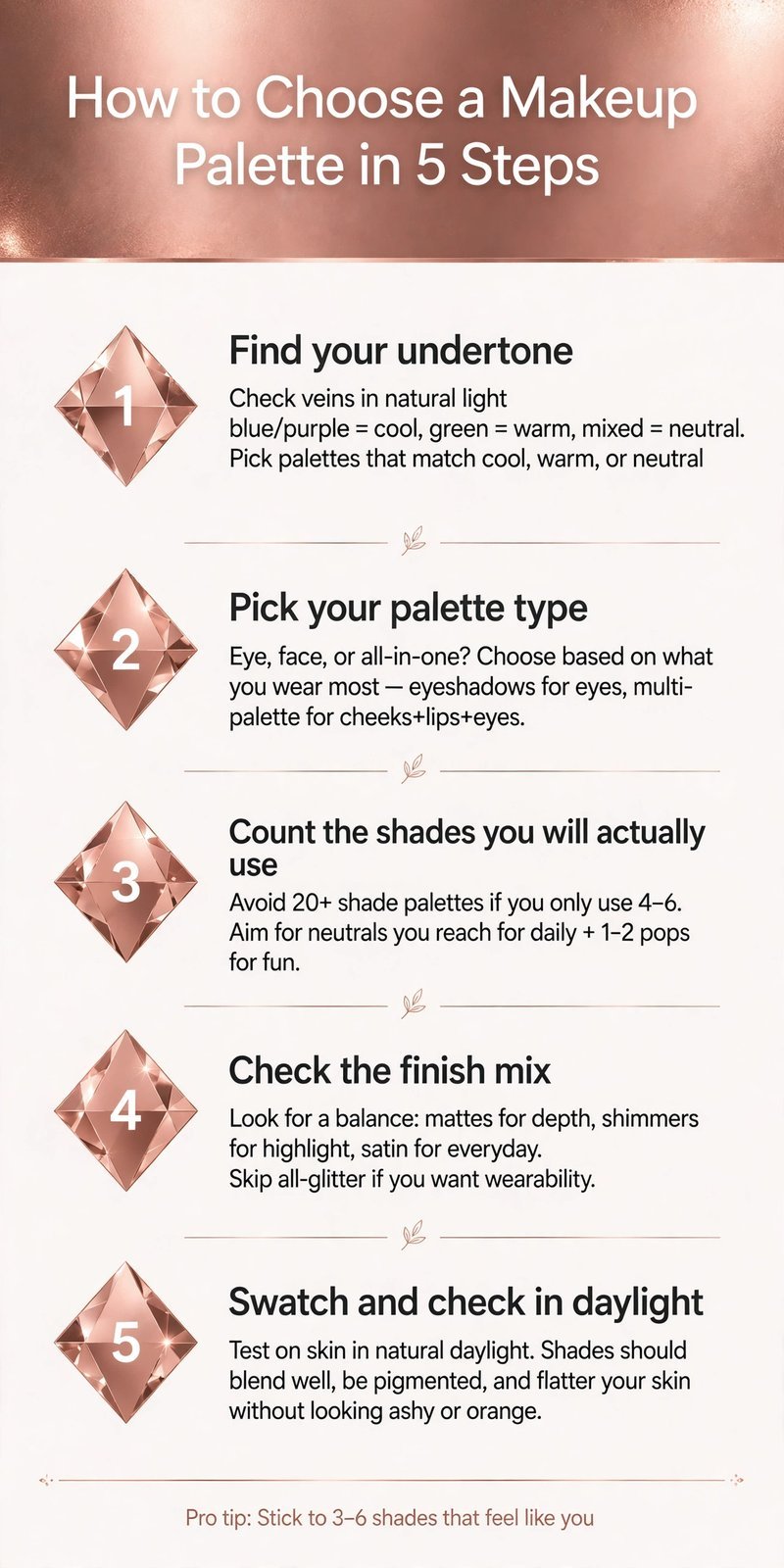
Choosing a palette does not have to take long. Follow these five steps in order, and you will end up with a palette that actually gets used instead of sitting in a drawer. The key is to decide before you shop, not while you are standing in front of a wall of pretty packaging.
- Find your undertone. Check your wrist veins or try the gold-versus-silver jewelry test. Knowing whether you are warm, cool, or neutral narrows the whole wall of palettes down to the families that will flatter you most, and it stops you from buying shades that fight your skin.
- Pick your palette type. Decide whether you need an eyeshadow palette, a face palette, or an all-in-one. If you want one case that does everything, an all-in-one palette with eyeshadow, blush, and highlighter is a smart buy. If you already own blush and highlighter you love, a dedicated eyeshadow palette gives you more eye shades for your money.
- Count the shades you will actually use. Open the palette and count how many shades you can picture yourself wearing. If you love at least two thirds of them, it is a good buy. If you only love three or four out of eighteen, you are paying for shades you will never touch, and a smaller palette would be a better choice. This is one of the most practical parts of learning how to choose a makeup palette, because it protects your budget from pretty packaging.
- Check the finish mix. A good everyday palette has mostly matte shades for blending, plus one or two shimmer or satin shades for the lid. Matte shades build the shape of the eye, while shimmer adds light and glow. If a palette is all shimmer, it will be hard to create a soft daytime look. If it is all matte, it can look flat. Look for a balance that matches how you like to wear your makeup, and read a guide to the makeup palette to use if you want more ideas on matching finishes to your routine.
- Swatch and check in daylight. If you can, swatch the shades on your hand and look at them in natural light before buying. Check that the colors blend smoothly and that the darker shades are not patchy. If you are shopping online, look for swatches on people with a skin tone close to yours, and read reviews that mention wear time and fallout, not just how pretty the palette looks.
Best Palette Finishes: Matte vs Shimmer vs Satin
Finish is the way a shade looks on the skin: flat, glowing, or somewhere in between. The four finishes you will see most often are matte, shimmer, satin, and metallic. Matte shades have no shine at all. They are the workhorses of any palette, because they blend easily and are perfect for the crease, the outer corner, and soft definition. Matte shades are also the most forgiving for beginners, because they are easy to blend and hard to overdo.
Shimmer shades contain fine sparkle that catches the light. They are best on the center of the lid, the inner corner, and the brow bone, where they add brightness and make the eyes look more awake. Shimmer is beautiful, but a little goes a long way, and too much shimmer on the whole eye can look heavy, especially in bright daylight. Satin sits between matte and shimmer. It has a soft sheen without obvious sparkle, and it looks polished and natural. Satin shades are a great middle ground for daytime looks and for anyone who finds full shimmer too much.
Metallic shades are the most intense finish, with a strong foiled shine. They look best pressed onto the lid with a finger or a damp brush, and they are perfect for evening looks or a bold pop of color. Metallics can be harder to blend than matte shades, so they work best as an accent rather than the main shade in a look. If you are deciding how to choose a makeup palette for evening looks, one strong metallic is enough; you do not need a whole row of them.
When you are deciding how to choose a makeup palette, think about which finishes you will wear most. If you wear makeup to work or school, a palette that is mostly matte with a few satin and shimmer shades will cover your everyday needs. If you love glam looks and nights out, a palette with strong shimmers and metallics makes sense. Most people do best with a mix, because it lets one palette cover both soft and bold looks. If you want to see how different finishes behave in real looks, Sephora eyeshadow palettes are a good place to compare matte, shimmer, and satin shades side by side.
Common Mistakes When Choosing a Makeup Palette
The most common mistake when learning how to choose a makeup palette is buying a palette for the packaging instead of the shades. Beautiful packaging is tempting, but you wear the colors, not the case. Before you buy, open the palette and look at the shades themselves. Ask yourself whether you would wear each one, and be honest about the bright or unusual colors. A palette with one wild shade you might use once a year is fine, but a palette where half the shades are colors you never wear is a waste of money.
Another mistake is buying a palette that is too big for your needs. Large palettes look like great value, because the price per shade is low. But if you only use eight of the thirty-five shades, you have paid for twenty-seven shades you will never touch. A smaller palette where you use every shade is better value than a big one where most of it goes to waste. This is especially true for beginners, who do better with a focused palette they can learn well.
People also forget to check the quality of the shades. A cheap palette can look beautiful in the pan but apply patchy, fade fast, or kick up a lot of powder. When you swatch, look for shades that feel smooth, blend without skipping, and show true color in one or two swipes. If a shade needs five layers to show up, it will be frustrating to use. Reviews from people with your skin tone are the best way to check quality when you cannot swatch in person, and a guide on what makeup palette to get can help you compare quality across different palette types.
Skipping the undertone check is another common error. Buying shades that clash with your undertone is the fastest way to end up with a palette you never reach for. A cool-toned grey-brown can look muddy on warm skin, and a warm orange-brown can look harsh on cool skin. A quick undertone check before you shop saves you from this mistake. Finally, remember that choosing a palette is only half the job: once you find one you love, learn how to make it last. Our guide on how to make eyeshadow last all day covers the prep and setting steps that keep your shades looking fresh from morning to night.
Frequently Asked Questions
How do I choose a makeup palette for my skin tone?
Start by finding your undertone, then pick shades that work with it. Warm undertones look best in golden, peachy, and warm brown shades, while cool undertones look best in pink, mauve, and cool taupe shades. Neutral undertones can wear both. When you know how to choose a makeup palette for your skin tone, also consider depth: fair skin suits soft and medium tones, medium skin suits rich browns and warm golds, and deep skin suits vivid, highly pigmented shades that will actually show up.
Which palette shades suit brown eyes?
Brown eyes suit almost every shade, so you have the most freedom. Bronze, gold, copper, green, plum, and deep blue all look beautiful with brown eyes. Warm metallics add glow, while plum and deep green add depth. Avoid very pale shades that can look chalky, and avoid shades that match your eye color too closely, because they can wash you out instead of making your eyes stand out.
Should beginners buy matte or shimmer palettes?
Beginners should start with a palette that is mostly matte, with one or two shimmer shades. Matte shades are the easiest to blend, the most forgiving when you make a mistake, and the best for building a soft everyday look. Shimmer is lovely as an accent on the lid or inner corner, but a palette that is all shimmer is hard to use for a complete look. Once you are comfortable with mattes, you can add more shimmer and metallic shades to your collection.
How much should a good makeup palette cost?
There is no single right price, because palettes range from budget-friendly to luxury. What matters is value: how many shades you will actually use, how well they blend, and how long they last on your skin. A small palette where you use every shade is better value than a large palette where most shades go untouched. Set a budget, count the usable shades, and choose the palette that gives you the most looks you will really wear.
How do I know if a palette is good quality?
Good quality shows up when you swatch and wear a shade. The color should be smooth, blend without patchiness, and show true color in one or two swipes. It should not fade within an hour or leave a lot of powder fallout under your eyes. If you cannot swatch in person, look for reviews from people with a skin tone close to yours, and check whether reviewers mention smooth blending and long wear. Learning how to choose a makeup palette also means learning to spot these quality signs before you buy, so you spend money on shades that perform, not just on pretty packaging.
Final Verdict
The best makeup palette is the one that fits your skin tone, your eye color, your daily routine, and your budget, all at once. Start with your undertone, pick a palette type that matches your needs, and count the shades you will actually use before you buy. A balanced mix of matte, satin, and shimmer finishes will take you from a soft daytime look to a bold evening look without needing extra products.
Remember that there is no single perfect palette for everyone. The right choice is personal, and it changes as your style and skills grow. Use the steps in this guide the next time you shop, and you will come home with a palette you reach for every day, not one that gathers dust. Once you know how to choose a makeup palette with confidence, building your collection becomes fun, because every new palette has a clear purpose in your routine.