

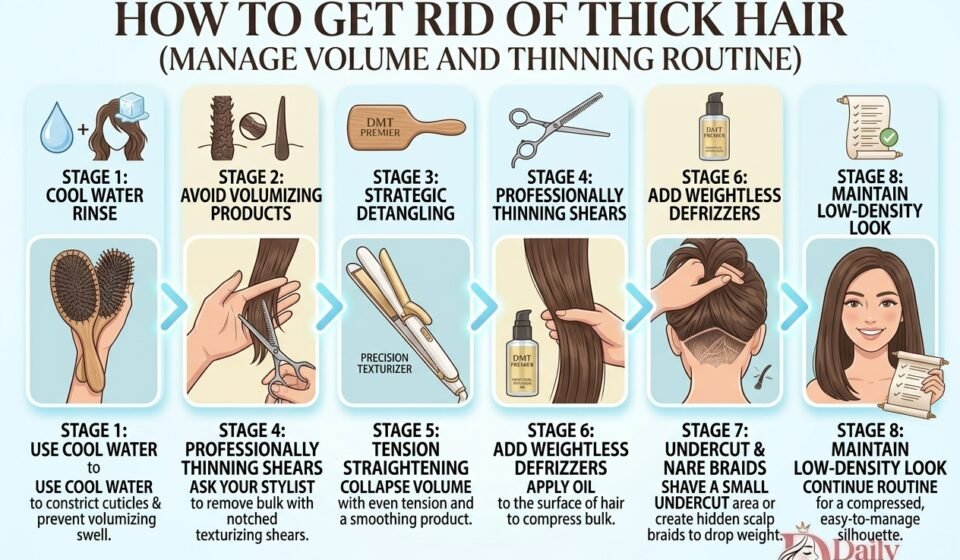

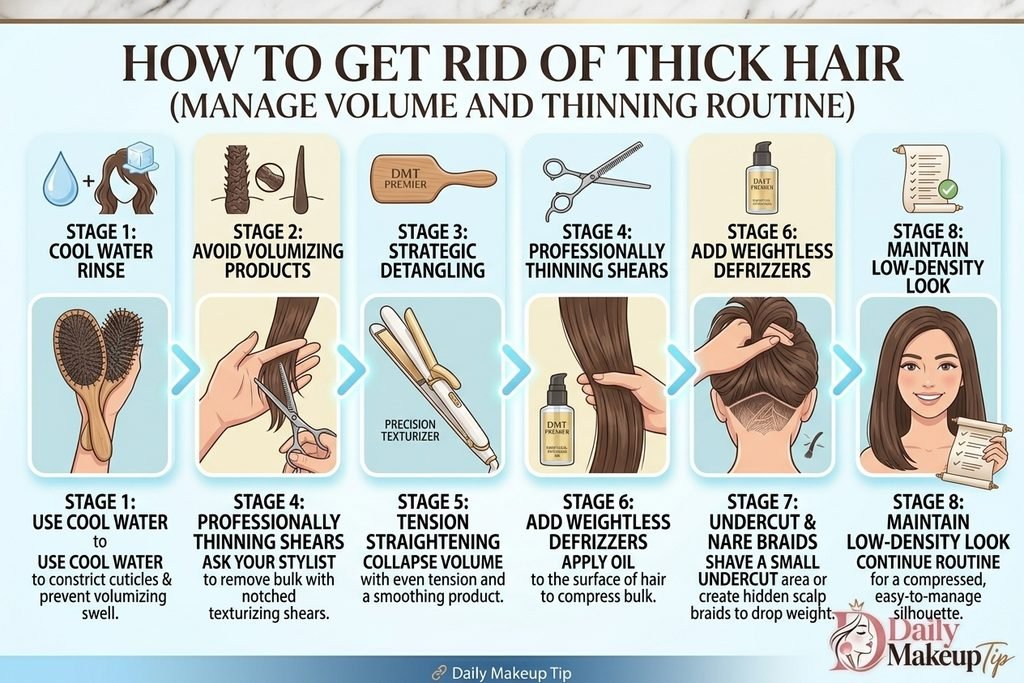
Thick, coarse body hair is completely normal, but many people prefer smoother skin for personal, cosmetic, or grooming reasons. If you are looking for how to get rid of thick hair, the right method depends on where the hair grows, how quickly it returns, your skin type, and whether you want temporary or longer-lasting results.
Options range from shaving and depilatory creams to waxing, threading, epilation, and professional laser hair removal. Each method has different advantages, costs, maintenance requirements, and potential side effects.
For people in the United States, professional hair-removal services are widely available, but the best choice still depends on individual needs and expectations.
Thick Hair Can Be Removed in Several Ways
There is no single hair-removal method that works perfectly for everyone.
Common options include:
- Shaving
- Waxing
- Depilatory creams
- Epilators
- Threading
- Sugaring
- Laser hair removal
- Electrolysis
Temporary methods remove or cut the visible hair, while professional treatments can target the hair follicle itself and provide longer-lasting reduction.
Shaving Thick Hair
Shaving is one of the quickest ways to remove thick hair from large areas of the body.
A razor cuts the hair at or close to the skin’s surface. It does not remove the follicle, so the hair eventually grows back.
Shaving can be useful for:
- Legs
- Arms
- Underarms
- Chest
- Back
- Bikini area
Tips for Shaving Coarse Hair
Thick hair can make shaving more challenging because the strands may be dense and the skin can become irritated.
Try these basic steps:
- Soften the hair with warm water.
- Apply shaving gel or cream.
- Use a clean, sharp razor.
- Shave gently without repeatedly passing over the same area.
- Rinse the skin.
- Apply a gentle moisturizer afterward.
Avoid dry shaving when possible because it can increase friction and irritation.
Waxing for Longer-Lasting Smoothness
Waxing removes hair from the root rather than simply cutting it at the surface.
Because the hair is removed from the follicle, smoothness can last longer than shaving. However, waxing can be uncomfortable, especially when the hair is thick or the area is sensitive.
Waxing is commonly used on:
- Legs
- Arms
- Underarms
- Face
- Bikini area
- Back
- Chest
Avoid waxing irritated, sunburned, or damaged skin.
People using certain prescription medications or skin treatments should also check with a healthcare professional before waxing because some treatments can make skin more fragile.
Depilatory Creams for Thick Hair
Depilatory creams use chemicals to break down the hair structure so that the hair can be wiped or rinsed away.
Some formulas are specifically marketed for coarse or thick body hair.
Before applying a depilatory cream to a large area, follow the product instructions and perform the recommended patch test. Different products are formulated for different parts of the body, so a cream intended for legs should not automatically be assumed safe for the face or other sensitive areas.
Stop using the product if you experience significant burning, swelling, or irritation.
Epilators Can Remove Thick Hair From the Root
An epilator is an electric device that mechanically removes multiple hairs from the root.
It can provide longer-lasting results than shaving because the visible hair is not simply cut at the skin’s surface.
Epilators can be used on areas such as the:
- Legs
- Arms
- Underarms
- Bikini line
The process can feel uncomfortable at first, particularly when removing dense coarse hair. Regular use may become easier for some people.
Threading Works Well for Certain Facial Areas
Threading uses twisted cotton thread to remove individual hairs from the root.
It is particularly useful for smaller facial areas, including:
- Eyebrows
- Upper lip
- Chin
- Sideburn area
Threading is less practical for large areas covered with thick hair, but it can be an effective option when precision is important.
Sugaring for Coarse Body Hair
Sugaring is another root-removal technique. A sugar-based paste is applied to the skin and removed along with the unwanted hair.
Many people choose sugaring as an alternative to traditional waxing.
The results can last longer than shaving, although the exact duration varies from person to person depending on hair-growth patterns.
Laser Hair Removal for Long-Term Hair Reduction
Laser hair removal is one of the most commonly discussed options for people who want a longer-term solution for thick body hair.
During treatment, laser energy targets pigment in the hair and produces heat that can damage the hair follicle. Multiple sessions are generally needed because hair grows in different cycles.
The American Academy of Dermatology explains that laser hair removal can provide long-lasting hair reduction, although it should not automatically be considered permanent removal.
Laser treatment is commonly performed on areas such as:
- Legs
- Underarms
- Bikini area
- Back
- Chest
- Face
- Arms
Thick Dark Hair and Laser Treatment
Laser hair removal tends to work by targeting pigment in the hair.
As a result, darker, thicker hairs can respond differently from very light, gray, or white hairs. Advances in laser technology have also expanded treatment options for different skin types.
Because laser treatment carries risks such as burns or pigmentation changes when improperly performed, choosing a qualified and experienced professional is important.
Electrolysis for Permanent Hair Removal
Electrolysis is different from laser hair removal.
Instead of using laser energy, electrolysis uses an electrical current to destroy individual hair-growth cells.
The U.S. Food and Drug Administration recognizes electrolysis as a permanent hair-removal method when performed appropriately.
Because each follicle is treated individually, electrolysis can take considerable time, particularly when a person has a large amount of thick hair.
It may be considered for smaller areas where permanent removal is the goal.

Thick Hair on the Face
Facial hair requires extra care because facial skin can be more sensitive.
Depending on the area, options may include:
- Threading
- Shaving
- Waxing
- Depilatory products specifically made for the face
- Laser hair reduction
- Electrolysis
Avoid applying body-hair removal products to the face unless the product specifically states that it is suitable for facial use.
Thick Hair on the Legs
Leg hair is generally easier to manage because the skin can tolerate several common removal techniques.
Shaving is convenient for frequent grooming, while waxing, sugaring, and epilation can provide longer periods between treatments.
Laser hair removal may be considered by people who want long-term reduction and are comfortable with the cost and multiple appointments involved.
Thick Underarm Hair
Underarm hair can be especially noticeable because it may be darker and coarser than the hair on other areas of the body.
Shaving is fast, but frequent shaving may lead to irritation or razor bumps.
Waxing, sugaring, epilation, and laser hair removal are alternatives that can reduce the need for frequent shaving.
Thick Bikini Hair
The bikini area is sensitive, so hair-removal techniques should be selected carefully.
Shaving can be convenient but may contribute to razor bumps and irritation. Waxing and sugaring remove hair from the root but can be uncomfortable.
Laser hair removal may provide longer-term reduction, while electrolysis can be considered for individual follicles.
Always follow professional advice when treating sensitive areas.
Thick Hair on the Back or Chest
Large areas such as the chest and back can be difficult to shave without assistance.
Professional waxing or laser hair removal may be more practical for people seeking longer-lasting results.
For extensive areas, professional treatment can also make it easier to maintain an even result.
Does Shaving Make Thick Hair Grow Back Thicker?
Shaving does not change the biological thickness or growth rate of a hair follicle.
The reason shaved hair can appear thicker is related to the way the strand has been cut. A freshly shaved hair has a blunt end rather than the naturally tapered end of an uncut strand.
As it grows, this blunt tip can make the hair look or feel darker and coarser.
Shaving therefore does not permanently make your hair thicker.
Can Thick Hair Be Removed Naturally?
There are many online recipes claiming that ingredients such as lemon juice, baking soda, turmeric, or sugar mixtures can permanently remove thick hair.
These claims should be approached cautiously.
Household ingredients are not equivalent to clinically established hair-removal treatments, and some can irritate or damage the skin.
If you want reliable hair removal, choose a method designed specifically for hair removal rather than applying harsh kitchen ingredients to your skin.
Prevent Ingrown Hairs After Hair Removal
Thick or curly hair can sometimes become trapped beneath the skin after removal.
This can lead to ingrown hairs, small bumps, redness, or inflammation.
Helpful habits include:
- Avoid shaving too closely.
- Use a clean razor.
- Do not repeatedly shave irritated skin.
- Avoid tight clothing immediately after some hair-removal treatments.
- Follow your professional’s aftercare instructions.
- Avoid picking at ingrown hairs.
If you frequently develop painful or infected-looking bumps, consider discussing the problem with a dermatologist.
Hair Removal Method Comparison
| Method | Removes From Root? | Results | Best For |
|---|---|---|---|
| Shaving | No | Short-term | Quick body grooming |
| Waxing | Yes | Longer-lasting | Larger areas |
| Sugaring | Yes | Longer-lasting | Body and selected facial areas |
| Epilator | Yes | Longer-lasting | Legs and body |
| Threading | Yes | Longer-lasting | Small facial areas |
| Depilatory Cream | No | Short-term | Suitable body areas |
| Laser | Targets follicle | Long-term reduction | Larger areas |
| Electrolysis | Yes | Permanent removal | Individual follicles |
Results and suitability vary from person to person.
Choosing the Right Hair Removal Method
Your ideal method depends on your priorities.
For Fast Results
Shaving is convenient when you need smooth skin quickly.
For Longer-Lasting Results
Waxing, sugaring, and epilation remove hair from the root and generally last longer than shaving.
For Long-Term Reduction
Laser hair removal may be suitable for people seeking significant long-term hair reduction.
For Permanent Removal
Electrolysis is the established option for permanent hair removal when individual follicles are successfully treated.
For Facial Precision
Threading can work well for small areas where precision matters.
Professional Hair Removal in the USA
Professional services are widely available throughout the United States, including dermatology clinics, medical spas, salons, and licensed electrologists.
Before booking a treatment, ask about:
- Professional qualifications
- Experience with your skin and hair type
- Equipment being used
- Expected number of sessions
- Possible side effects
- Total treatment cost
- Pre-treatment requirements
- Aftercare
- Whether a consultation is included
For laser treatments in particular, an experienced professional can assess whether the technology is appropriate for your skin and hair characteristics.
When Excessive Hair Growth Deserves Medical Attention
Sometimes thick or excessive hair growth is simply genetic.
However, sudden or unusual increases in facial or body hair can occasionally be associated with an underlying medical or hormonal issue.
If excessive hair growth develops suddenly, becomes significantly different from your usual pattern, or occurs alongside other unexplained changes, consider speaking with a healthcare professional.
A dermatologist or other qualified clinician can determine whether further evaluation is appropriate.
Common Mistakes With Thick Hair Removal
Avoiding common mistakes can make hair removal more comfortable.
Using a Dull Razor
A dull blade can require repeated passes and increase irritation.
Dry Shaving
Dry shaving increases friction and may leave the skin uncomfortable.
Applying Body Products to the Face
Facial skin may require specially formulated products.
Waxing Irritated Skin
Wax should not be applied to already damaged or irritated skin.
Picking Ingrown Hairs
Picking can worsen inflammation and increase the risk of marks.
Expecting One Laser Session to Remove Everything
Laser hair removal generally requires multiple treatments because hair grows in cycles.
Frequently Asked Questions
Does thick hair grow back faster after shaving?
Shaving does not speed up hair growth. The blunt tip of freshly shaved hair can make regrowth appear darker or thicker.
Can waxing permanently remove thick hair?
Waxing removes hair from the root but does not guarantee permanent removal. Hair can grow back because the follicle remains.
Is laser hair removal permanent?
Laser hair removal is generally described as long-term hair reduction rather than guaranteed permanent removal. Multiple treatments are typically needed.
Is electrolysis permanent?
Electrolysis is recognized by the FDA as a permanent hair-removal method when the hair follicle is successfully treated.
Can thick facial hair be removed without shaving?
Yes. Threading, waxing, facial depilatory products, laser hair removal, and electrolysis are among the alternatives, depending on the area and individual circumstances.
Can home remedies permanently remove thick hair?
There is no reliable household remedy that should be treated as a proven permanent hair-removal method. Professional methods have considerably stronger evidence.
Final Thoughts
Finding the right answer to how to get rid of thick hair starts with deciding whether you want quick, temporary smoothness or longer-lasting reduction.
Shaving and depilatory creams can be convenient for short-term grooming. Waxing, sugaring, and epilation remove hair from the root and can extend the time between treatments. For longer-term reduction, professional laser hair removal is an option, while electrolysis is used when permanent removal is the goal.
Your skin type, hair color, hair thickness, treatment area, budget, and tolerance for maintenance should all be considered before choosing a method.
Most importantly, avoid harsh DIY treatments and aggressive hair-removal techniques that can damage your skin. When unwanted hair is unusually excessive or changes suddenly, professional medical advice can help identify whether there is an underlying cause.