

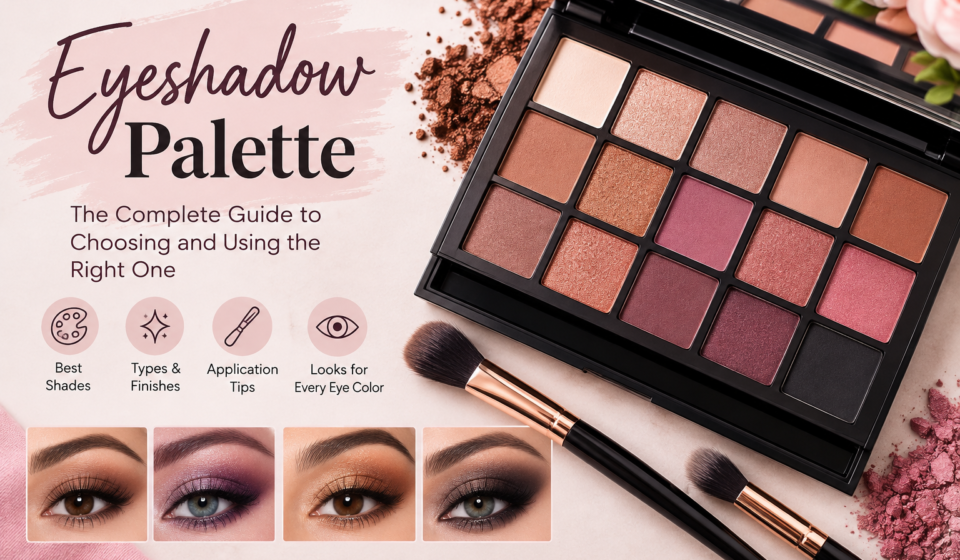

An eyeshadow palette is one of the most versatile products in a makeup collection. A well-designed palette can take you from a simple daytime look to a dramatic evening style without requiring dozens of individual eyeshadows.
From soft nude shades and warm browns to shimmering metallics and bold colors, eyeshadow palettes are available in almost every combination imaginable. The right palette can complement your eye color, skin tone, personal style, and the type of makeup looks you enjoy creating.
For beginners, however, the huge number of choices can feel overwhelming. Some palettes contain only a few neutral shades, while others include dozens of colors, finishes, and textures.
This guide covers the essential things to consider when choosing an eyeshadow palette, popular shade combinations, finishes, application tips, and mistakes worth avoiding.
What Is an Eyeshadow Palette?
An eyeshadow palette is a collection of multiple eyeshadow shades packaged together in one compact or container.
Most palettes combine several complementary colors so that you can create complete eye looks without purchasing each shade separately.
A typical palette may contain:
- Matte shades
- Shimmer shades
- Metallic shades
- Satin finishes
- Glitter shades
- Transition colors
- Deepening shades
- Highlight shades
The number of colors can range from a small selection of four or five shades to large palettes containing dozens of options.
Why an Eyeshadow Palette Belongs in Every Makeup Collection
A good eyeshadow palette provides flexibility.
Instead of purchasing individual shadows in separate containers, you can have several coordinated colors in one place. This makes it easier to experiment with different combinations.
An eyeshadow palette can also help create looks for different occasions, including:
- Everyday makeup
- Office makeup
- Date-night looks
- Wedding makeup
- Party makeup
- Smoky eyes
- Soft glam
- Natural makeup
- Bold editorial looks
For someone building a makeup collection, a versatile palette can therefore be more practical than buying many unrelated individual shades.
Best Eyeshadow Palette Shades for Everyday Makeup
Neutral colors remain popular because they are easy to combine and suitable for many occasions.
A versatile everyday palette often includes shades such as:
- Cream
- Beige
- Taupe
- Soft brown
- Caramel
- Chocolate brown
- Warm bronze
- Soft gold
These colors can be used individually for a simple look or layered together for greater definition.
A light shade can brighten the lid, a medium brown can work as a transition shade, and a darker brown can add depth to the outer corner.
Warm Eyeshadow Palettes
Warm palettes generally feature colors with golden, orange, peach, copper, terracotta, and reddish-brown undertones.
Popular warm shades include:
- Caramel
- Cinnamon
- Copper
- Terracotta
- Burnt orange
- Bronze
- Warm brown
- Golden beige
Warm eyeshadow can create a soft and radiant appearance and works particularly well for autumn-inspired makeup looks.
Cool-Toned Eyeshadow Palettes
Cool-toned palettes generally feature shades with cooler undertones.
Common examples include:
- Taupe
- Gray
- Cool brown
- Silver
- Mauve
- Plum
- Blue-gray
- Soft lavender
These shades can be especially useful for creating smoky, sophisticated, or muted eye looks.
Neutral Eyeshadow Palette
A neutral palette is often one of the easiest choices for beginners.
Neutral palettes typically combine shades that are close to natural skin, brown, beige, taupe, bronze, and soft black tones.
The advantage is versatility. You can use a neutral palette for a subtle daytime look and build the same colors into a more dramatic evening style.
Eyeshadow Palette for Brown Eyes
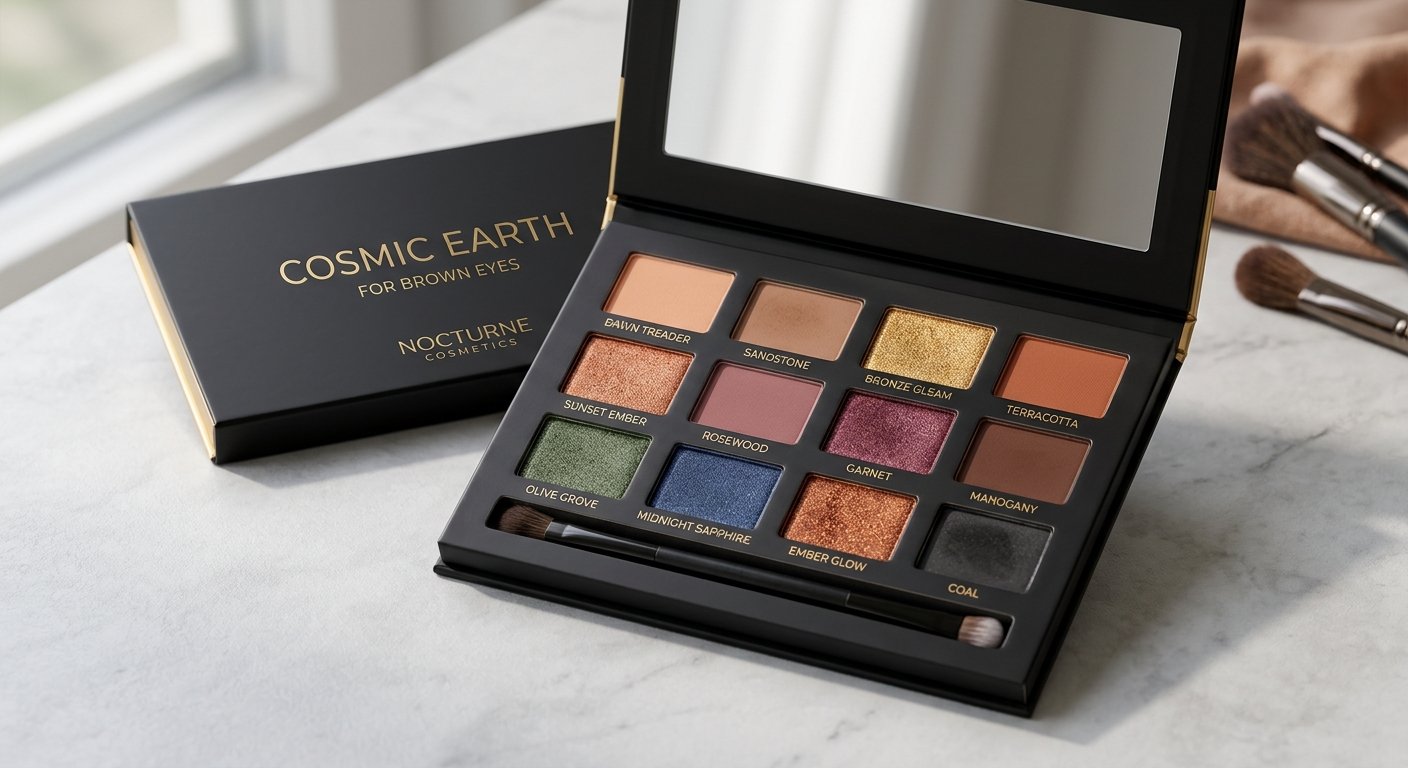
Brown eyes are naturally versatile and can work with a wide range of eyeshadow colors.
Popular choices include:
- Bronze
- Gold
- Copper
- Burgundy
- Plum
- Green
- Brown
- Champagne
For a simple everyday appearance, warm brown and bronze shades can create dimension without looking overly dramatic.
For evening makeup, deeper plum, copper, or metallic shades can provide additional contrast.
Eyeshadow Palette for Blue Eyes
Blue eyes can be complemented by shades that create contrast with their cooler appearance.
Popular options include:
- Warm brown
- Bronze
- Copper
- Peach
- Terracotta
- Champagne
- Soft orange
- Rose tones
Warm colors can create an attractive contrast, while neutral browns provide a more understated effect.
Eyeshadow Palette for Green Eyes
Green eyes can pair beautifully with several warm and reddish-based shades.
Consider colors such as:
- Plum
- Mauve
- Burgundy
- Rose
- Copper
- Bronze
- Warm brown
Deep plum and burgundy can create a particularly striking evening eye look.
Eyeshadow Palette for Hazel Eyes
Hazel eyes can appear different depending on lighting and surrounding colors, making them especially flexible.
Suitable palette shades can include:
- Bronze
- Gold
- Olive
- Brown
- Plum
- Copper
- Champagne
Using different colors around hazel eyes can emphasize either their green, brown, or golden tones.
Matte Eyeshadow Palette
Matte eyeshadows have little or no visible shimmer.
They are useful for:
- Transition shades
- Crease definition
- Outer-corner depth
- Soft everyday makeup
- Smoky eyes
A palette with several matte shades can be extremely useful because matte colors provide structure to an eye look.
Shimmer Eyeshadow Palette
Shimmer eyeshadows contain reflective particles that catch the light.
They are often used on:
- Eyelids
- Inner corners
- Center of the lid
- Brow-bone area in moderation
Shimmer shades can make an eye look appear more dimensional without the intensity of chunky glitter.
Metallic Eyeshadow Palette
Metallic shadows generally have a stronger reflective finish than traditional shimmer formulas.
Popular metallic shades include:
- Gold
- Silver
- Bronze
- Copper
- Rose gold
- Platinum
They are especially popular for evening makeup and special occasions.
Glitter Eyeshadow Palette
Glitter provides a much more dramatic effect than traditional shimmer.
Glitter shadows can be fun for:
- Parties
- Festivals
- Photoshoots
- Holiday makeup
- Special events
When using loose glitter or highly reflective formulas around the eyes, choose products specifically designed for cosmetic eye use and follow the manufacturer’s application instructions.
Eyeshadow Palette for Beginners
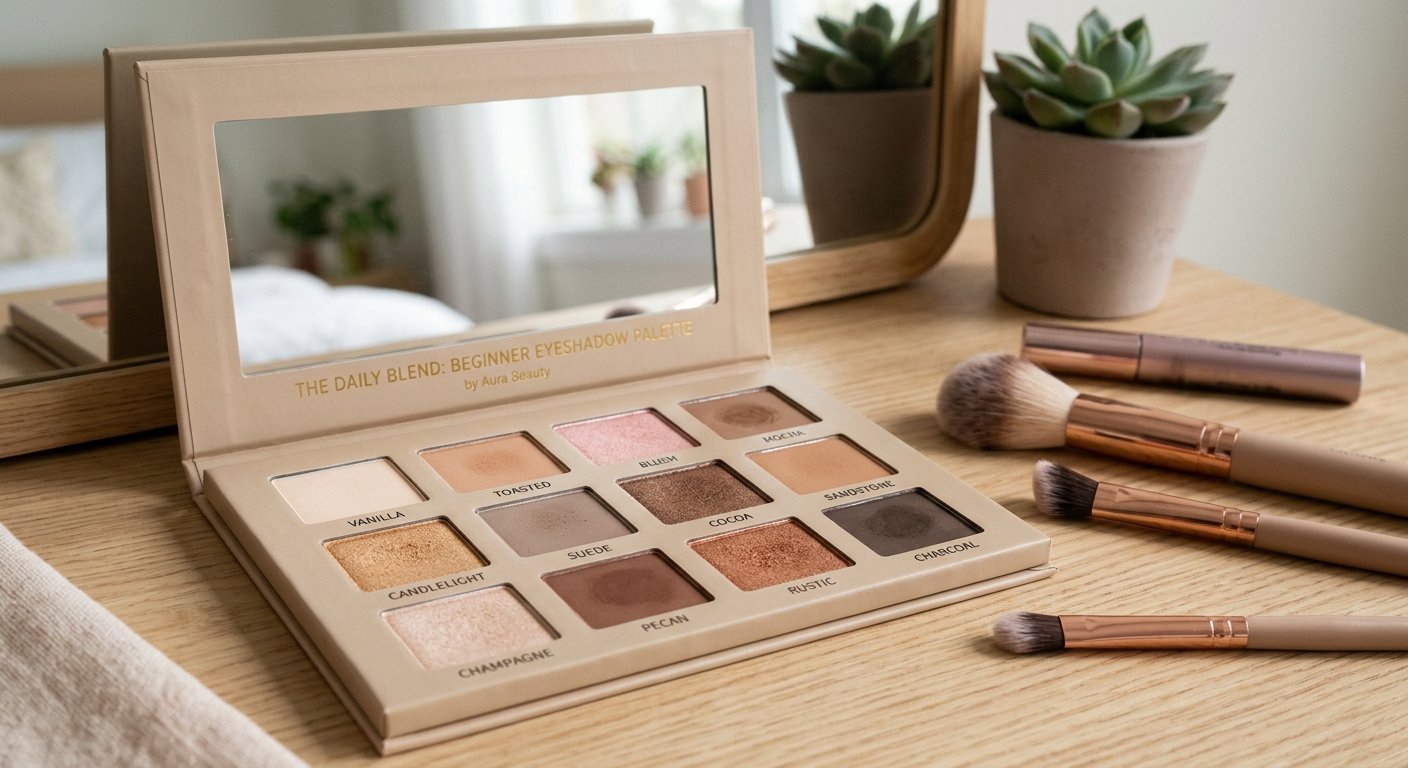
A beginner does not necessarily need a 30- or 40-shade palette.
A smaller palette with around six to twelve versatile colors can be easier to learn with.
Look for a combination containing:
- A light base shade
- A transition shade
- A medium crease color
- A deeper brown
- A dark defining shade
- One or two shimmer shades
This arrangement gives you enough flexibility to practice without creating unnecessary complexity.
How to Choose an Eyeshadow Palette
Choosing an eyeshadow palette becomes easier when you consider your personal makeup habits.
Consider Your Skin Tone
Think about which colors already look harmonious with your complexion.
Warm skin tones may enjoy golden, bronze, peach, and warm-brown palettes, while cool complexions may prefer taupe, mauve, plum, and cool-gray combinations.
Neutral undertones can often work comfortably with both warm and cool palettes.
Consider Your Eye Color
Your eye color can help guide your shade selection, but it should not restrict you.
Makeup is creative, so there is no requirement to wear only colors traditionally recommended for a particular eye color.
Consider Your Lifestyle
Someone who wears natural makeup every day may get more use from a neutral palette than an extremely colorful one.
If you regularly attend events or enjoy creative makeup, a palette containing brighter shades may offer more value.
Consider the Finishes
A palette containing only shimmer may look exciting but can be less versatile.
For everyday use, consider a combination of matte and shimmer finishes.
Eyeshadow Palette Pigmentation
Pigmentation refers to the intensity of color produced by an eyeshadow.
Highly pigmented formulas can produce strong color with a small amount of product, while softer formulas may require additional layers.
Strong pigmentation is not always automatically better.
Beginners may actually find buildable eyeshadows easier to control because the color can gradually be intensified.
Eyeshadow Texture and Blendability
A high-quality eyeshadow should generally be easy to apply and blend.
Powder shadows should not feel excessively rough or patchy. Cream shadows should spread evenly without becoming difficult to control.
However, performance can vary between shades within the same palette. Darker colors, very light shades, and glitter formulas can behave differently.
Eyeshadow Palette for a Soft Glam Look
Soft glam makeup usually relies on neutral or warm shades combined with controlled definition.
A typical soft glam combination could include:
- Cream on the brow area
- Warm beige as a transition
- Medium brown in the crease
- Bronze or champagne on the lid
- Dark brown near the lash line
- A subtle highlight in the inner corner
The result is polished without requiring extremely bold colors.
Eyeshadow Palette for a Smoky Eye
A smoky eye does not have to be black.
You can create smoky looks using:
- Brown
- Charcoal
- Plum
- Bronze
- Navy
- Deep green
Start with lighter colors and gradually build darker shades toward the outer corner and lash line.
This makes the final result easier to control.
Eyeshadow Application Tips
Good application is often more important than owning a huge palette.
Start With a Clean Base
Begin with clean eyelids and apply an appropriate eye primer if desired.
Use the Right Brush
Different brushes can perform different jobs.
A fluffy blending brush is useful for transition shades, while a smaller brush can provide more precise placement.
Build Color Gradually
Applying too much dark shadow at once can make blending difficult.
Start with a small amount and gradually build intensity.
Blend the Edges
Blending softens harsh transitions between shades.
Avoid repeatedly rubbing the same area because excessive blending can eventually make colors look muddy.
Add Shimmer Carefully
Apply shimmer where you want attention.
The center of the eyelid or inner corner can be effective areas for adding brightness.
Common Eyeshadow Mistakes
Even a high-quality palette can produce a disappointing result when application goes wrong.
Using Too Many Colors
More colors do not necessarily create a better look.
Skipping Blending
Unblended edges can make an eye look appear harsh.
Applying Dark Shades First
Beginners often find it easier to start with lighter shades and gradually add depth.
Using Excessive Product
Heavy application can create fallout and make colors harder to control.
Ignoring the Eye Shape
The same eyeshadow placement does not look identical on every eye shape.
Experimenting with placement can help you find the technique that suits your natural features.
Eyeshadow Palette Hygiene
Eye makeup should be handled carefully.
Avoid sharing eye products with other people, and keep brushes clean.
Do not use products that have changed significantly in smell, texture, or appearance.
If an eye product causes irritation, redness, swelling, or discomfort, discontinue use.
Eyeshadow Palette Storage
Keep your palette closed when it is not being used.
Store makeup in a clean, dry environment away from excessive heat and moisture.
Avoid leaving cosmetics in extremely hot locations, such as a vehicle during summer.
Proper storage can help preserve the texture and performance of your makeup products.
Eyeshadow Palette Versus Individual Eyeshadow
Both options have advantages.
| Feature | Eyeshadow Palette | Individual Shadow |
|---|---|---|
| Variety | High | Limited |
| Convenience | High | Moderate |
| Color Matching | Easy | Requires separate selection |
| Travel | Convenient | Depends on quantity |
| Customization | Moderate | Very High |
| Beginner Friendly | Usually | Depends on shade |
A palette is often more convenient for creating coordinated looks, while individual shadows allow you to build a completely customized collection.
Building a Small Eyeshadow Collection
You do not need dozens of palettes to create beautiful makeup looks.
A practical collection might include:
- One neutral palette
- One warm-toned palette
- One colorful palette
- One metallic or shimmer-focused option
This gives you enough variety for everyday makeup, special occasions, and creative looks.
Eyeshadow Palette Trends
Beauty trends change frequently, but some eyeshadow styles remain popular year after year.
Current makeup consumers continue to explore:
- Soft neutral eyes
- Monochromatic eye looks
- Brown smoky eyes
- Champagne shimmer
- Metallic finishes
- Colorful inner corners
- Soft glam
- Minimal eye makeup
- Multichrome effects
The most useful palette is ultimately the one that matches your personal style rather than simply following a short-lived trend.
Frequently Asked Questions
Can beginners use a large eyeshadow palette?
Yes, but a smaller palette may be easier to learn with. Six to twelve versatile shades can provide plenty of combinations.
Is matte or shimmer eyeshadow better?
Neither is universally better. Matte shadows are useful for definition and blending, while shimmer adds brightness and dimension. A combination of both is often the most versatile.
Which eyeshadow colors work with brown eyes?
Brown eyes can work with many shades, including bronze, gold, copper, plum, burgundy, brown, and green.
Which eyeshadow palette is best for everyday makeup?
A neutral palette containing beige, taupe, brown, bronze, and champagne shades is generally versatile for everyday looks.
Can one palette create both daytime and nighttime makeup?
Yes. A versatile palette can create a soft daytime look with lighter shades and a dramatic evening look by adding deeper colors and stronger shimmer.
Does expensive eyeshadow always perform better?
Not necessarily. Price does not guarantee pigmentation, blendability, or longevity. Product formulation and individual shade performance matter more.
Final Thoughts
An eyeshadow palette can be one of the most useful products in a makeup collection because it gives you multiple colors and finishes in one place.
For beginners, a neutral palette with several matte and shimmer shades is an excellent starting point. More experienced makeup lovers may enjoy colorful, metallic, smoky, or highly creative palettes.
When choosing a palette, consider your skin tone, eye color, preferred makeup style, desired finishes, pigmentation, blendability, and the occasions for which you plan to use it.
You do not need the biggest collection to create beautiful eye makeup. A thoughtfully selected palette with versatile shades can provide countless combinations while keeping your makeup routine simple and enjoyable.