
Blurred lips makeup is having a quiet takeover in 2026 — and it looks nothing like the lip trends we have lived with for the past decade. No razor-sharp liner. No perfectly filled matte bullet. No need to eat carefully so you do not wreck the line. Instead, the color blooms from the center of the mouth and melts softly outward, like you just finished a popsicle or walked in from the cold. If you have ever loved the idea of lipstick but hated the maintenance, this is the trend built for you.
The numbers back it up. According to Pinterest’s first-ever Beauty Trend Report, searches for “blurred lips” are up 86%, riding the same wave that made soft natural makeup one of the year’s biggest looks. It is the lip counterpart to everything people already love about 2026 beauty: skin that looks like skin, blush that looks like a real flush, and now lips that look naturally stained. Below is the complete guide: what the trend is, why it exploded, the exact step-by-step technique, which shades suit your skin tone, and how to keep it on for hours.
What Is Blurred Lips Makeup?
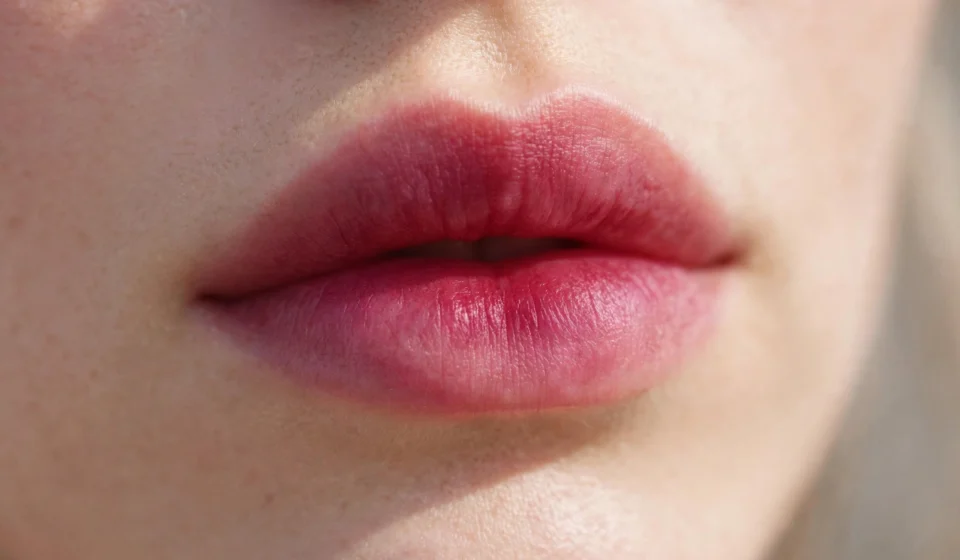
Blurred lips makeup is a lip technique where color is applied to the inner portion of the lips and diffused outward with a finger or brush, so the edges fade softly instead of sitting in a crisp line. The result looks like naturally flushed, stained lips rather than a precise lipstick application. It is the Western name for what K-beauty has long called the gradient lip — color darkest at the center of the mouth, gradually lightening toward the corners, mimicking the natural coloration of the lips.
The philosophy behind blurred lips makeup is a full reversal of traditional lipstick rules. Traditional application starts with the contour: line the full lip, fill, sharpen. The blurred method starts with the opposite — the very center — and deliberately never reaches a clean edge. That missing outline is the entire point. A hard lip line reads “done”; a soft one reads “effortless,” and effortless is the mood of 2026 beauty.
Why Blurred Lips Makeup Is Everywhere in 2026
Three forces pushed blurred lips makeup to the top of everyone’s saves this year. First, the data: Pinterest reports “blurred lips” searches up 86%, tucked inside the “Cheeky Flush” trend where the styling advice is literally to “keep skin cloud-soft, lips blurred, and lashes soft.” When a trend gets its own instruction in a major platform’s trend report, it has moved from niche to mainstream.
Second, the technique has deep roots that make it feel trustworthy rather than gimmicky. As the team at TruHue explains in their 2026 guide, the blurred lip is a Korean-inspired technique that K-beauty has used for years — the gradient lip is a classic, not a fad. The 2026 version carries a slightly more editorial, slightly more romantic quality than the original Korean take, but the core mechanics have been proven on millions of faces long before Pinterest named them.
Third, it is genuinely the lowest-maintenance way to wear lip color. A traditional red lip is a commitment: you need a mirror, a liner, touch-ups, and constant vigilance. A blurred lip is forgiving by design. The edges are supposed to be undefined, so there is no line to smudge, no corner to feather, and no “I ate lunch” moment of panic. That ease is exactly why it photographs so well on TikTok and why it fits the soft, natural-makeup mood of the year.
Blurred Lips Makeup: The Step-by-Step Technique
The mechanics of blurred lips makeup are simple, but each step has a reason. Follow them in order and your first attempt will already look close to right.
1. Prep Your Lips Like You Mean It
Blending only works on a smooth surface. Exfoliate gently — a damp washcloth rubbed over the lips for thirty seconds does the job — then apply a thin layer of lip balm and let it sink in for a full minute before lightly blotting away the excess. Blot is the key word: you want moisturized, not slippery. A greasy base makes the blurred color slide instead of diffuse, and it shortens wear time dramatically. If your lips are chronically dry in winter, our winter lip care routine 2026 builds the exact base this technique needs.
2. Pick the Right Formula
Not every lip product blurs equally. The most controllable tools for blurred lips makeup are matte lipsticks and lip liners — matte formulas hold the diffused shape instead of migrating. Tinted lip balms are the easiest entry point and give the most natural stained effect for low-key days. What to avoid: sheer, slippery glosses as your base color. They are too mobile to hold a gradient and will blur into “everything smeared everywhere” rather than a soft fade. (A clear gloss pressed over the finished look is a different story — more on that below.)
3. Use Liner Differently — If You Use It at All
Liner is completely optional here, and the traditional way of using it will actively work against you. Do not outline the full lip. If you want the extra depth that a liner gives, place it inside the natural lip line instead — a deeper anchor of color at the very center of the lips, right near the mouth opening. Think of the liner as a shading tool, not an outline.
4. Apply Color to the Center Only
This is where blurred lips makeup diverges completely from standard application. Instead of starting at the outer corners and working inward, you do the opposite. Dab your lip product right on the middle of the bottom lip and the middle of the top lip — the center dome and the plumpest part. That is where the color should be most concentrated and most intense. Start with less product than you think you need; you can always build.
5. Blend Outward With Your Fingertip
Using a clean fingertip, a small soft brush, or a cotton bud, gently press and drag the color outward toward the corners with light pressure. The heat of your finger softens the product and diffuses it. Stop before you reach the outer edge — the goal is color that graduates from saturated at the center to almost bare at the corners. Pressing looks more natural than swiping. If you pressed your lips together once after dotting the color on, that transfer already did half the blending work for you.
6. Blot, Then Rebuild the Center
Here is the step most tutorials skip: after your first blend, take a tissue and blot the whole mouth once. This removes the excess sitting on top and leaves a stain behind. Then re-tap a tiny bit of color right at the center only. That second center application is what gives the gradient its structure — deep middle, soft halo — instead of an even wash that fades everywhere at once. For extra stain depth, the layered approach works beautifully: a tinted lip balm first, with liner or matte lipstick tapped over it.
7. Add Dimension (Optional) and Set the Look
If you want gloss, press a clear gloss only at the very center after the blurred color is set — it adds a juicy highlight without erasing the gradient. Lightly spreading it outward is fine; stop before the edge. For longevity, the layering secret is a tinted lip balm underneath a liner: the balm stains the lip tissue while the liner holds the shape, so the look survives eating and drinking far better than any single product could.
Blurred Lips Makeup for Every Skin Tone
The blurred lips makeup technique is universal — diffuse the edges, concentrate color at the center, blend with your fingertip, and it works on every skin tone and lip shape. What changes is the shade. Your undertone decides which colors harmonize with your face and which ones fight it.
If you have cool undertones, the blurred lip belongs to the mauve, dusty rose, and berry family. A cool mauve or muted rose reads polished without being bold, and a deep cool berry applied blurred becomes a sophisticated saturated stain. Warm shades can pull orange on cool skin and instantly look off, so stay in the pink-plum-berry lane.
If you have warm undertones, reach for peach, coral, terracotta, and warm brick. A warm coral-pink holds through the blurring process without fading to nothing, and a spiced nude or tawny rose renders as a deeply warm natural stain. Cool pinks and mauves can look slightly grey and flat against golden skin — the warmer and earthier the shade, the more naturally it belongs.
On deeper skin tones, the common mistake is going too light: a pale nude disappears entirely after blurring. Choose shades with real depth — deep berry, spiced burgundy, dark tawny rose — so the color holds its own against naturally rich coloring. Applied blurred, a deep cool plum becomes a dramatic stain that commands attention without a hard lipstick edge. Whatever your tone, muted and mid-tone shades blur more gracefully than neon-brights, which can look patchy when diffused.
Blurred Lips Makeup Mistakes to Avoid
The number-one mistake in blurred lips makeup is lining the whole lip the traditional way and then trying to blur after. A sharp outline leaves a ghost of itself no matter how much you blend — if you want liner, keep it at the center only. Second, using a slippery gloss as the base color. Gloss cannot hold a gradient; start with a matte or balm-based formula and add gloss only as a center highlight at the end.
Third, skipping the prep. Blending over dry, flaky lips does not create a soft fade — it creates a patchy mess, because the color catches on the flakes and skips the smooth parts. Fourth, placing all the color at the outer corners out of habit. If the edges end up as saturated as the center, you have just done a normal lipstick application with extra steps. The center must stay the darkest point.
Finally, over-blending into nothing. The goal is a gradient, not a colorless lip — if you blend until the color disappears, add another light center tap. A good checkpoint: press your lips together and look in the mirror. You should see the deepest color in the middle third, visibly softening toward the corners, with no visible line anywhere.
Blurred Lips Makeup FAQs
What is the blurred lip technique?
Blurred lips makeup is a Korean-inspired technique where color is applied to the inner portion of the lips and diffused outward with a finger or brush, leaving the outer edges soft and undefined. The result looks like naturally flushed, stained lips rather than a precise lipstick application.
Do I need lip liner for a blurred lip?
No — liner is completely optional. If you use it, apply it inside the natural lip line at the center of the lips as a deeper anchor of color, never as a full outline. A traditional outline works against the whole point of the look.
What products work best for blurred lips?
Matte lipsticks and lip liners are the most controllable; tinted lip balms give the most natural stained effect. Layering a tinted balm under a liner creates extra stain depth and the longest wear. Avoid sheer slippery glosses as the base — they cannot hold the gradient.
How long does a blurred lip last?
The layered balm-plus-liner version lasts through most of the day because the balm stains the tissue. A single tinted balm needs re-tapping at the center after meals. Touch-ups are easy: just re-dab the center, no mirror precision required.
Does the blurred lip work for every lip shape?
Yes. The technique creates an optical illusion of fuller lips on thin lips (the dark center pulls the eye inward), and it softens the edges on full lips so color looks less heavy. Adjust the intensity to your comfort — sheer for daytime, saturated for evening.
The Bottom Line
Blurred lips makeup earned its 2026 moment by solving a real annoyance: it lets you wear lip color without the maintenance. Prep the lips, place the color at the center, blend outward with your fingertip, stop before the edge, and blot and rebuild the middle. Match the shade to your undertone, skip the hard liner, and you have a just-bitten finish that looks like your lips — only more romantic. For more on the year’s biggest lip trend data, see Pinterest’s 2026 Beauty Trend Report, and for a deep dive on shade-matching the technique to your coloring, TruHue’s blurred lips guide breaks it down season by season.