
Table of Contents
Quick Answer
What is a makeup palette? It is a single compact that holds several coordinated makeup shades — eyeshadows, blushes, bronzers, highlighters, or lip colors — so you can create a complete look from one case instead of buying and carrying separate products. Palettes are built around shades that already work together, which makes them one of the easiest and most affordable ways for a beginner to start with makeup.
- What is a makeup palette, in short: one compact, many coordinated shades, endless looks.
- Eyeshadow palettes are the most common type, but face, lip, blush, contour, highlighter, and all-in-one palettes exist too.
- Matte shades build and blend, while shimmer, satin, and metallic shades add glow and focus.
- If you are a beginner, start with a small neutral palette — four to nine shades is enough to learn with.
- Keep your palette clean, dry, and closed, and replace it when the texture or smell changes.
What Is a Makeup Palette?
When someone asks what is a makeup palette, the simplest answer is a curated collection of colors in one case. Instead of buying ten separate products, you buy one compact where every shade was chosen to work with the others.
In short, what is a makeup palette if not a shortcut to a finished look? Open the case, and you have your transition shade, your lid color, your depth shade, and your highlight sitting side by side. A palette is also a learning tool: the shades are grouped by purpose, so it shows you which shade belongs in the crease and which one goes on the lid. If you want a second opinion on the basics, this clear breakdown of what a makeup palette is explains the idea in plain language.
What Goes Inside a Makeup Palette
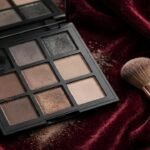
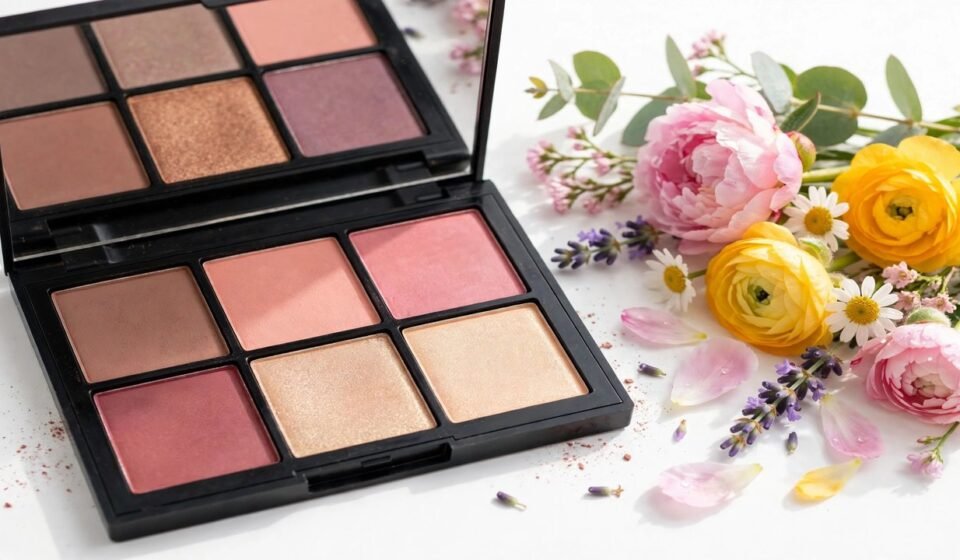
Most palettes hold a row of powder pans pressed into a slim case, often with a small mirror in the lid. Each pan holds one shade, and the shades are arranged so you can see the whole color story at a glance. Some palettes hold cream products instead, and a few mix both powders and creams in one case.
The shades come in different finishes, and the finish changes what the shade does. Matte shades have no shine, which makes them the workhorses of any palette: they build depth and blend edges. Shimmer shades carry a soft sparkle and belong on the center of the lid or the inner corner. Satin shades sit between matte and shimmer, with a gentle sheen that looks natural in daylight. Metallic shades are the boldest, with a high-shine, almost foiled finish.
Powder vs Cream Palettes
Powder palettes are the most common and the most forgiving. The shades blend easily with a brush, they layer without getting patchy, and they suit oily and combination skin well. Cream palettes feel different: they have a soft, dewy finish, are usually applied with clean fingers or a damp sponge, and suit dry skin beautifully. Many cream palettes are multi-use, so the same pan can work as a blush, a lip color, and a soft wash of color on the eyelids — but they need more care, since they can move around on oily skin and must be kept tightly closed so they do not dry out.
What Is a Makeup Palette Used For?
The short answer to what is a makeup palette used for is simple: it lets you build a full face from one compact. One palette can carry you from a natural daytime look to a party look without buying anything new, because the shades inside it were chosen to mix and match. It also saves space in a makeup bag and money compared with buying every shade separately, and it removes the hardest part of makeup for a beginner: choosing colors that go together.
Everyday Natural Looks
For a daily look, you only need three or four shades from a palette. A soft matte transition shade in the crease, a light lid color, a touch of blush on the cheeks, and a hint of highlighter on the cheekbones is a complete routine. Neutral palettes are made for exactly this: warm browns, soft peaches, and gentle taupes that look like your skin, only better.
Evening and Party Looks
The same palette that gives you a soft daytime look can go bold after dark. Add a deeper shade to the outer corner, press a metallic shade onto the center of the lid, and line the eyes a little darker. The structure is the same — transition, lid, depth, highlight — but the intensity changes. This is the real value of a palette: you do not need a second product to go from day to night, you just use more of what is already in the case.
Types of Makeup Palettes
Once you understand what is a makeup palette, the types make sense — each one is built for a different job. Some palettes focus on one part of the face, while others try to cover everything at once. The table below gives you the quick version, and the sections after it explain each type in detail.
| Palette Type | What’s Inside | Best For |
|---|---|---|
| Eyeshadow palette | Eye shades in matte, shimmer, satin, and metallic finishes | Building eye looks from soft daytime to smoky evening |
| Face palette | Blush, bronzer, highlighter, and contour shades | Sculpting and glowing up the whole face |
| Blush palette | Several blush shades in different tones | Finding your perfect flush for any season or outfit |
| Contour palette | Dark and light sculpting shades | Defining cheekbones, jawline, and nose |
| Highlighter palette | Light-reflecting glow shades | Cheekbones, brow bone, and inner corners |
| Lip palette | Several lip colors in one case | Mixing custom lip shades and trying new colors |
| All-in-one palette | Eye, face, and sometimes lip products together | A complete look from a single compact |
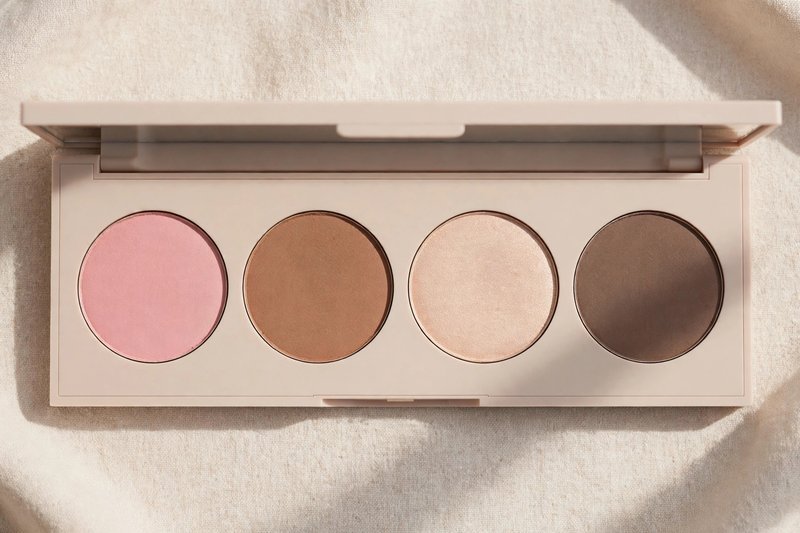
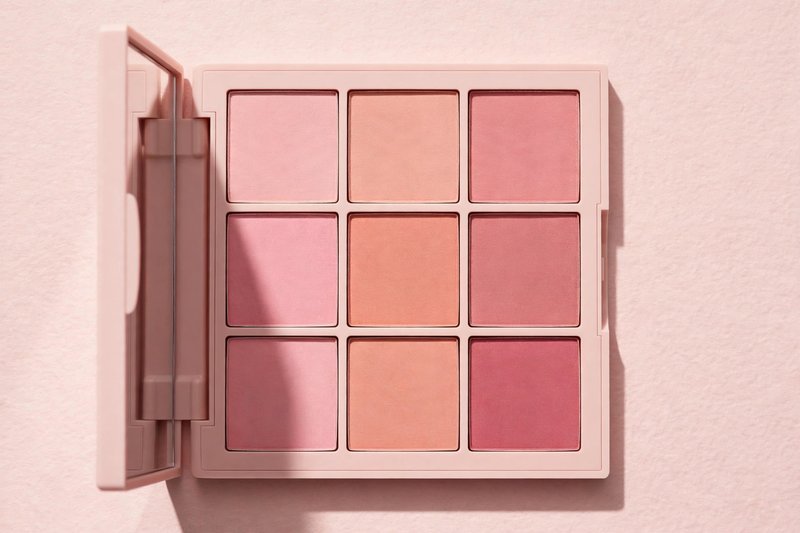
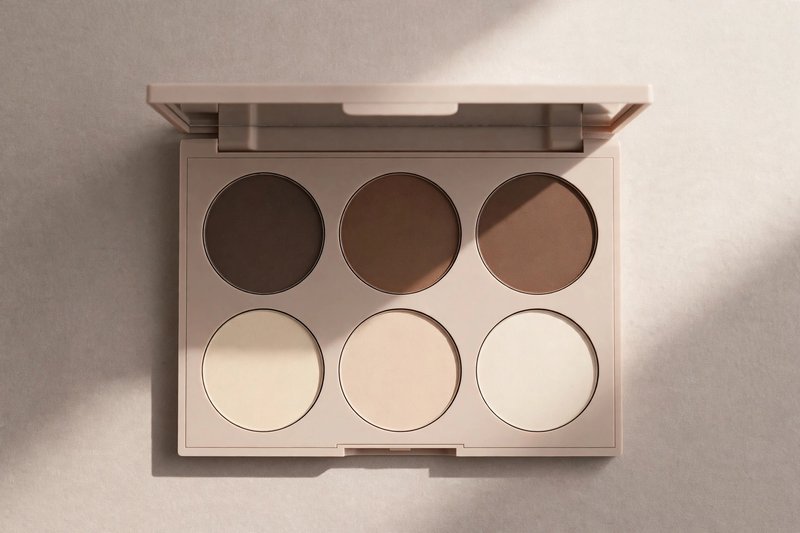
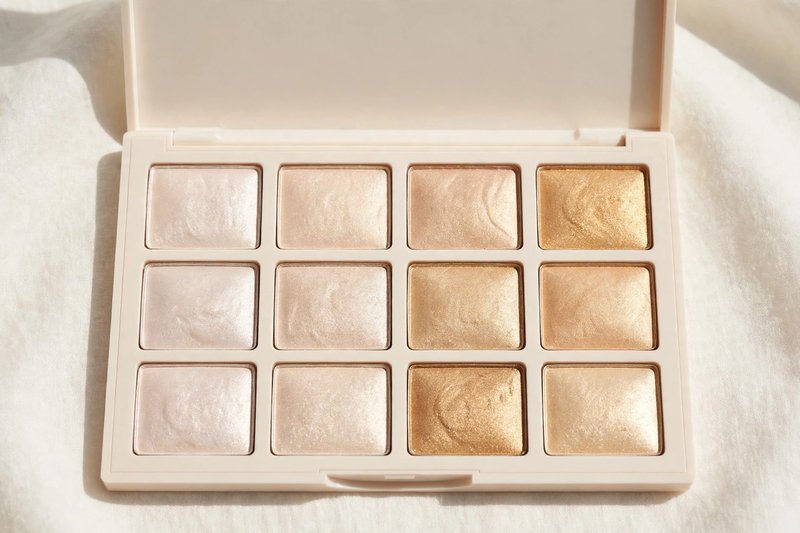
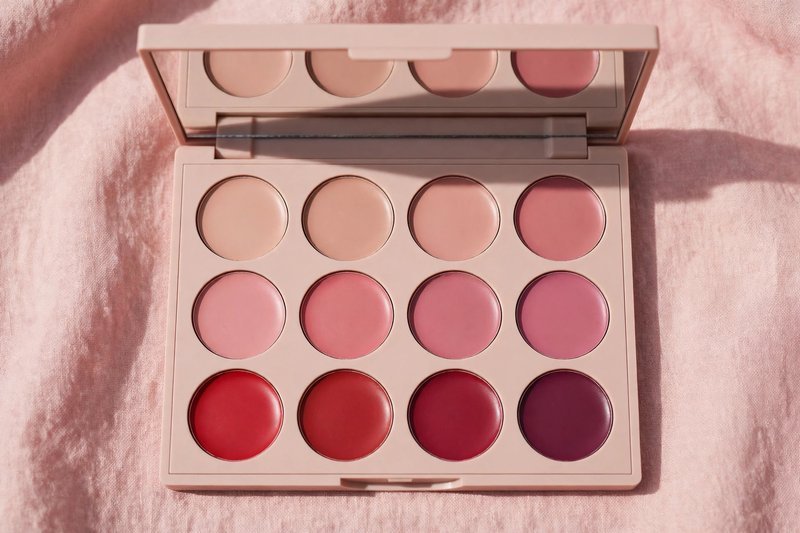
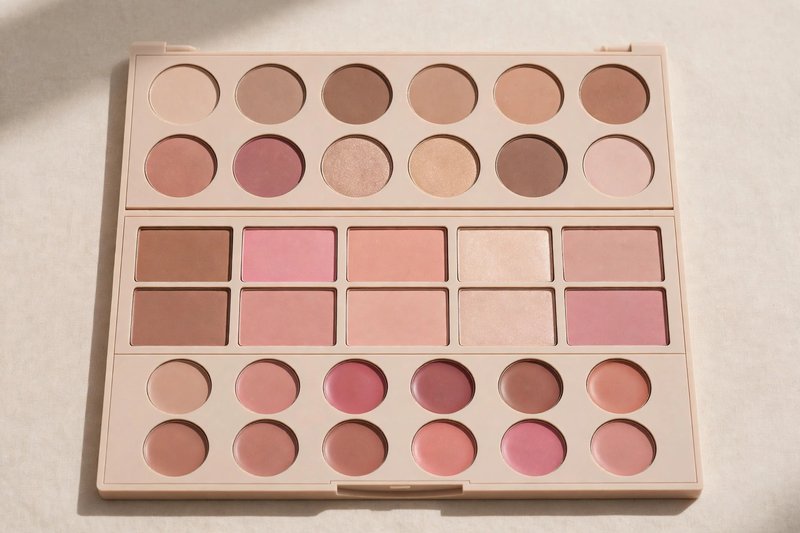
Eyeshadow Palettes
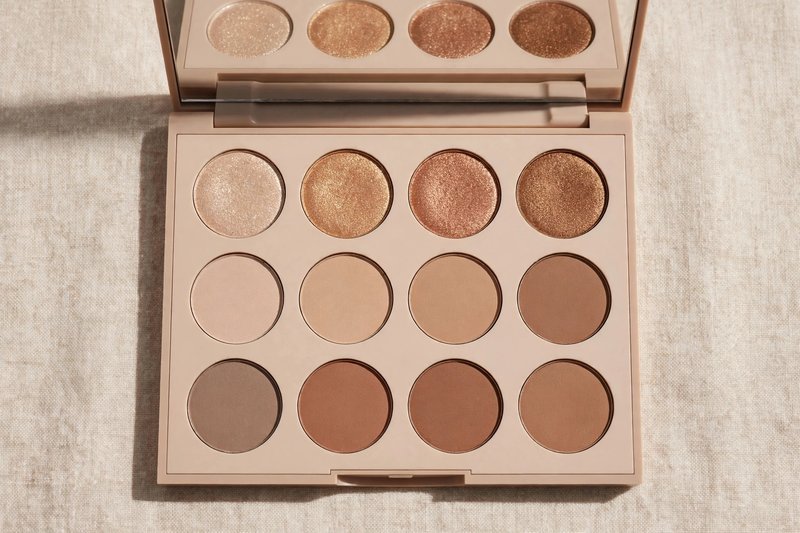
Eyeshadow palettes are the most common type, and for most people they are the first palette they ever own. They hold a range of eye shades, usually a mix of mattes for blending and shimmers or metallics for accent. A good starter eyeshadow palette has a light transition shade, a medium lid color, a dark depth shade, and one shimmer. If you want ideas for ready-made eye palettes, our guide to Sephora’s eyeshadow palettes walks through popular options and what makes each one worth a look.
Face Palettes
Face palettes gather the products that shape and warm up the face: blush, bronzer, highlighter, and contour. Instead of four separate compacts, you get one case with everything arranged in order. They are ideal if you like a sculpted look but do not want a crowded vanity, and they make it easier to keep your blush, bronzer, and highlighter in the same color family, so the whole face looks coordinated.
All-in-One Palettes
An all-in-one palette is the most ambitious type: eyes, face, and sometimes lips in a single case. It is the best choice for a beginner who wants to try everything, and for anyone who travels a lot. The trade-off is that no single section is as deep as a dedicated palette — you might get four eye shades instead of twelve. But for learning, for travel, and for quick everyday routines, an all-in-one palette is hard to beat.
How to Use a Makeup Palette in 5 Steps
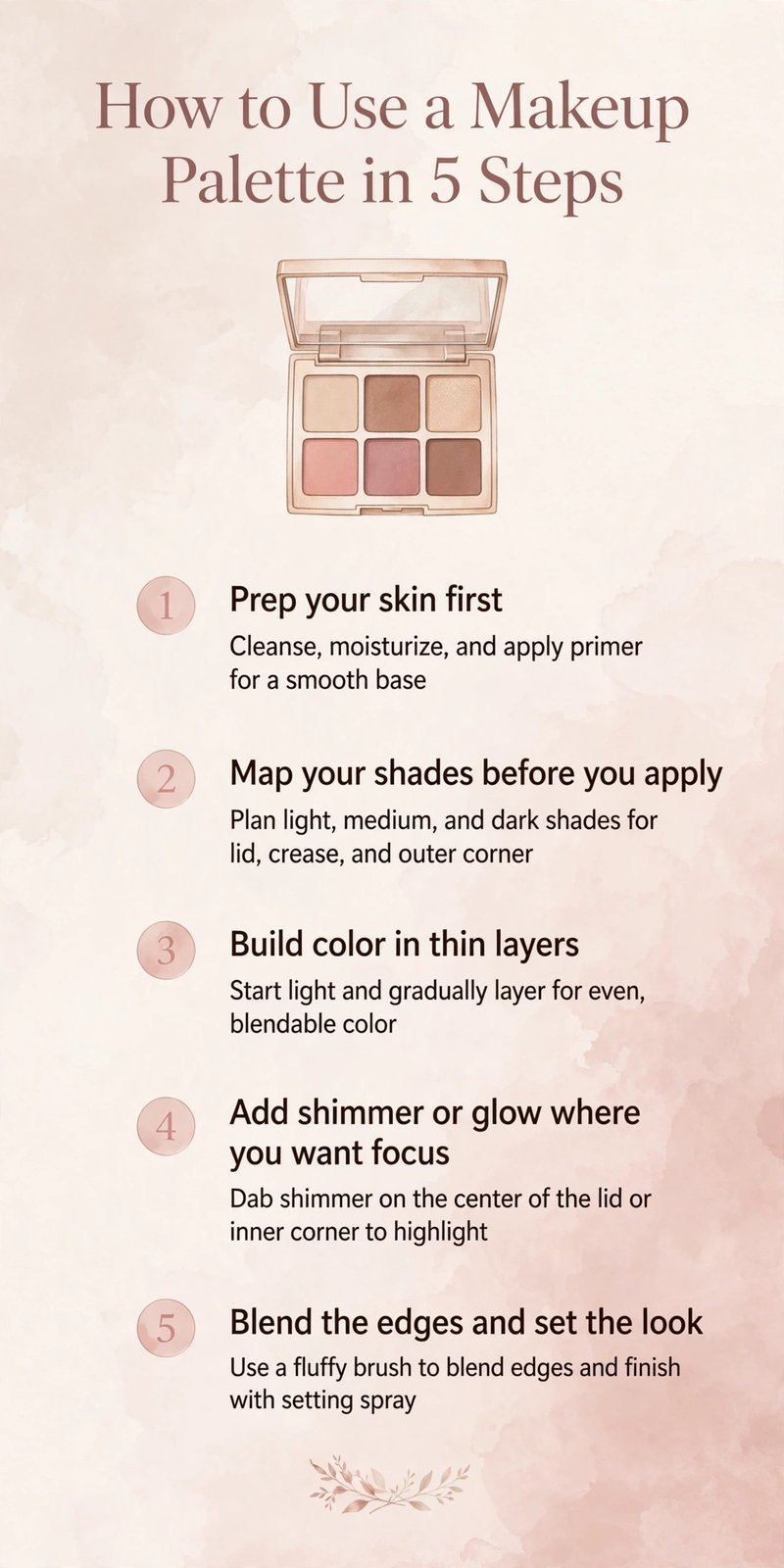
Learning how to use a makeup palette is mostly about order. When you apply shades in the right sequence, each one has a job, and the look builds itself. Follow these five steps, and any palette will start making sense.
- Prep your skin first. Start with clean, moisturized skin and your usual base — primer, foundation, or concealer — and let it settle for a minute before you touch the palette.
- Map your shades before you apply. The lightest matte shade is your transition color for the crease. A medium shade goes on the lid. The darkest shade is for the outer corner and the lash line. The lightest shimmer is your highlight for the inner corner and brow bone. For a visual walk-through of the same order, this step-by-step guide to using a makeup palette shows how each shade earns its place.
- Build color in thin layers. Pick up a small amount of product on a fluffy brush, tap off the extra, and sweep the transition shade through the crease in soft back-and-forth motions. Then press the lid shade onto the center of the eyelid, and add the depth shade only to the outer corner, in a small V shape. Thin layers are the secret: you can always add more, but taking color away is much harder.
- Add shimmer or glow where you want focus. Once the matte base is in place, dab a shimmer or metallic shade onto the center of the lid with your fingertip — fingers press shimmer on more evenly than a brush. A touch of highlighter on the cheekbones and the inner corner opens up the whole face. Keep shimmer to one or two spots, or it stops looking like glow and starts looking like glitter.
- Blend the edges and set the look. Take a clean fluffy brush and sweep it through the edges of your eyeshadow in small circles until there are no harsh lines. Blend the blush upward toward the temples, not down toward the nose. Then set everything with a light dusting of powder or a mist of setting spray, which will also help your eyeshadow last all day. Step back, check both sides in daylight, and fix anything uneven before you leave.
How to Choose the Best Makeup Palette for Beginners
Asking what is a makeup palette for beginners is really asking which one to buy first. The answer is simple: the smallest neutral palette you can find, with mostly matte shades and one or two shimmers.
Start with your undertone, because it decides which shades will look good on you. If your veins look greenish and gold jewelry suits you, you probably have a warm undertone — reach for warm browns, peaches, terracotta, and soft golds. If your veins look bluish and silver jewelry suits you, you probably have a cool undertone — mauves, cool taupes, soft pinks, and plum shades will flatter you. If you cannot tell, you are probably neutral, and most shades will work on you.
Next, check the finish mix and the size. A beginner palette should be mostly matte, with one or two shimmer shades at most. Mattes are forgiving: they blend easily, they do not draw attention to texture, and they build depth slowly so you cannot overdo it by accident. Four to nine shades is the sweet spot for a first palette — you will use every shade and learn what each one does. Finally, pick powder formulas for your first palette, since powders are the easiest to blend, the easiest to fix, and the most forgiving on every skin type.
What Is a Makeup Palette vs an Eyeshadow Palette?
The confusion usually starts with what is a makeup palette versus an eyeshadow palette — and the answer is scope. An eyeshadow palette is one kind of makeup palette, but a makeup palette is the bigger category that covers everything else too.
| Comparison | Makeup Palette | Eyeshadow Palette |
|---|---|---|
| Scope | Can hold many product types: eyes, face, lips | Holds eye shades only |
| Shades | Mixed face and eye colors in one case | Eye colors in matte, shimmer, satin, and metallic finishes |
| Best for | Full-face looks and travel | Detailed eye looks and learning eye placement |
| For beginners | An all-in-one palette is convenient but can feel like a lot at once | Easier to learn, because every shade has one job: the eyes |
If you only want eye looks, an eyeshadow palette is enough, and it is the easier place to start. If you want one product that covers the whole face, a makeup palette in the all-in-one style is the better buy.
Common Mistakes to Avoid With a Makeup Palette
One mistake beginners make is buying a palette without asking what is a makeup palette actually for. They pick the prettiest case instead of the shades they will actually use, and the palette ends up sitting in a drawer.
- Buying too many shades. A huge palette feels like a bargain, but if you only use five shades, the rest is wasted money and clutter. Start small.
- Skipping the transition shade. The mid-tone matte shade in the crease is what makes everything else blend. Without it, the lid color sits on the skin with a hard edge.
- Pressing too hard. Heavy pressure picks up too much product and leaves harsh patches. Light pressure and thin layers always look better.
- Using dirty brushes. Old product on a brush muddies every new shade you touch. Wash your brushes regularly, and wipe them on a clean tissue between shades.
- Putting shimmer everywhere. Shimmer belongs on one or two focal points — the center of the lid, the inner corner. All-over shimmer flattens the face and highlights texture.
- Ignoring your undertone. Shades that fight your undertone will always look off, no matter how good the formula is. Match the palette to warm, cool, or neutral undertones first.
- Storing the palette in a steamy bathroom. Heat and humidity break down powders and creams, fade the shades, and invite bacteria. Keep palettes in a cool, dry place.
How to Clean and Store Your Makeup Palette
Cleaning a palette is simpler than most people think, and it makes a real difference to how the shades perform. Start with the outside: wipe the case with a clean, dry cloth so dust and old product do not fall into the pans. Then take a clean tissue and gently wipe the surface of each powder pan.
For cream palettes, use a clean spatula or the back of a clean spoon to take product out instead of dipping your fingers into the pan. Fingers carry oils and bacteria into the product, which shortens its life and can irritate the skin. If a cream shade starts to smell different or feels grainy, it is time to let it go. Storage matters just as much: keep your palette closed, store it flat in a cool, dry place away from direct sunlight and bathroom steam, and wash the brushes you use with it regularly — dirty brushes drag old color into new shades and are the fastest way to muddy a palette you love.
Frequently Asked Questions
What is a makeup palette used for?
A makeup palette is used for creating complete makeup looks from one compact. It holds several coordinated shades — for the eyes, the face, the lips, or all three — so you can build a daytime look, an evening look, or a travel routine without buying and carrying separate products for every step.
What is the difference between a makeup palette and an eyeshadow palette?
The difference is scope. A makeup palette is the broad category: it can hold eyeshadows, blush, bronzer, highlighter, contour, and lip colors in one case. An eyeshadow palette is one type of makeup palette, and it holds eye shades only. If you want full-face coverage from one product, choose a makeup palette; if you only want eye looks, an eyeshadow palette is enough.
How do I choose my first makeup palette?
Choose a small neutral palette with four to nine shades, mostly matte with one or two shimmers. Match the shades to your undertone — warm browns and peaches for warm undertones, mauves and cool taupes for cool undertones — and pick powder formulas, which are the easiest to blend and the most forgiving for a beginner.
How do I clean a makeup palette?
Wipe the case with a clean, dry cloth, then gently wipe the surface of each powder pan with a clean tissue to lift old product and oils. For cream palettes, take product out with a clean spatula instead of your fingers. Wash the brushes you use with the palette regularly, and store the palette closed in a cool, dry place.
How long does a makeup palette last?
It depends on the formula. Powder palettes usually last longer than cream palettes, because powders are drier and less friendly to bacteria. Check the small open-jar symbol printed on the packaging — it tells you how many months the product is meant to stay good after opening.
Final Verdict
So, what is a makeup palette? It is the simplest way to carry a whole look in one compact. One case, a handful of shades that already work together, and a routine you can learn in a weekend. Start small, start neutral, and practice the five steps until they feel natural. One good palette, used well, will teach you more about makeup than ten random products ever will.